


Family
Recommended for 3 days with accommodation at the Nymfes estate or in Zarouchla and Kalavrita
- Ancient Theatre of Egira
- Seliana Primary School
- Monastery of the Holy Apostles of Seliana
- Area Synest - Folklore Museum in Sinevro
- Swimming in Tsivlou lake
- Walk in Agia Varvara with its picturesque square
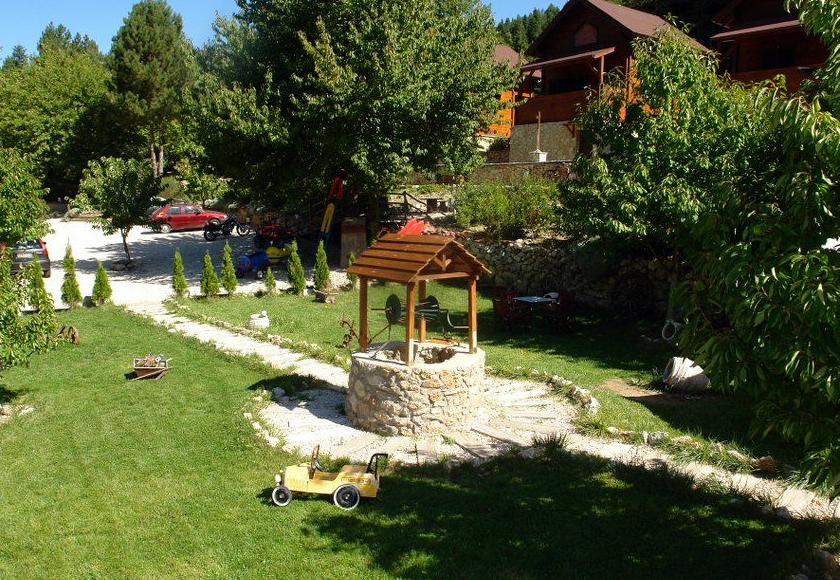
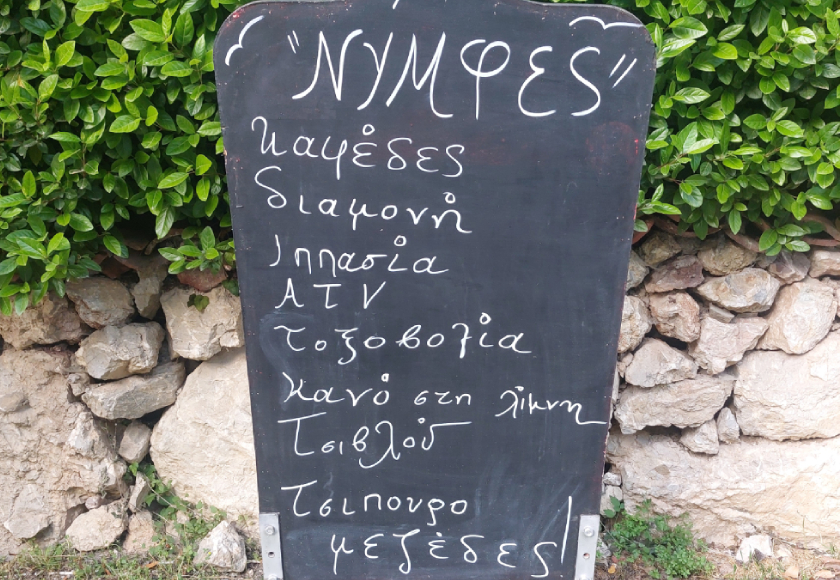
- Nymfes Estate for play and activities
- Walk in Zarouchla
- Waterfalls in Solo
- Hiking trip to the Golfo's Fountain
- Kalavryta Ski Center (depending on the season)
- Lake Cave
- Planitero
- Odontotos rack railway - Diakopto
All Our Routes
- They were designed with a focus on Tsivlou Lake and are multi-day trips, except for the second one (Budget Young).
- They explore the mountainous range of the Achaea region.
- They start from Athens. For travelers with a different starting point, the mileage distances do not apply.
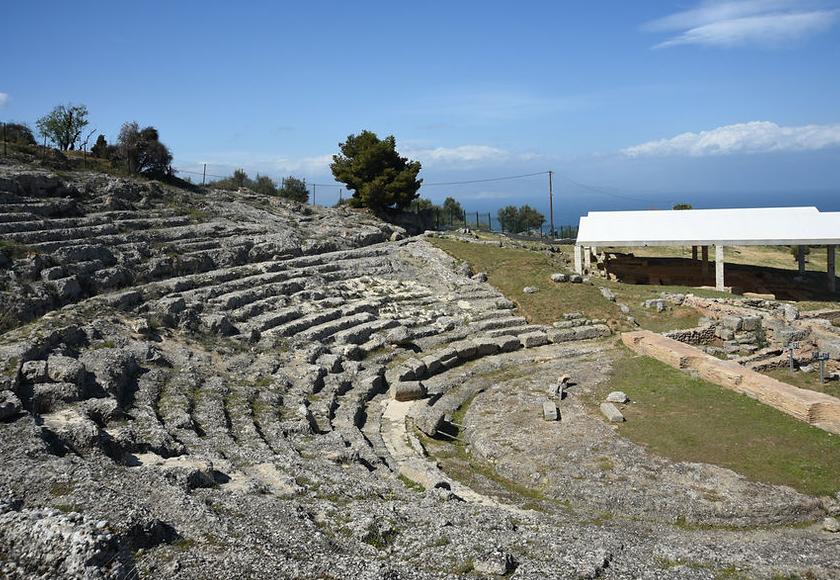
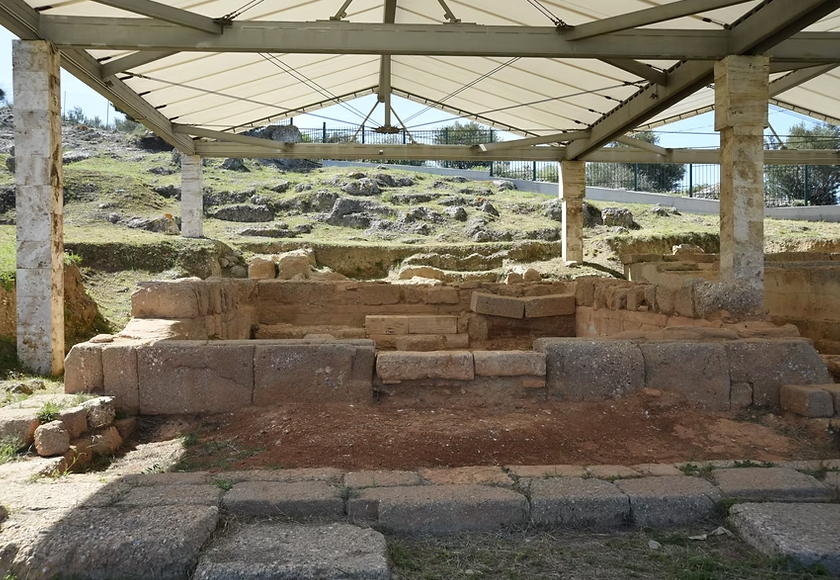
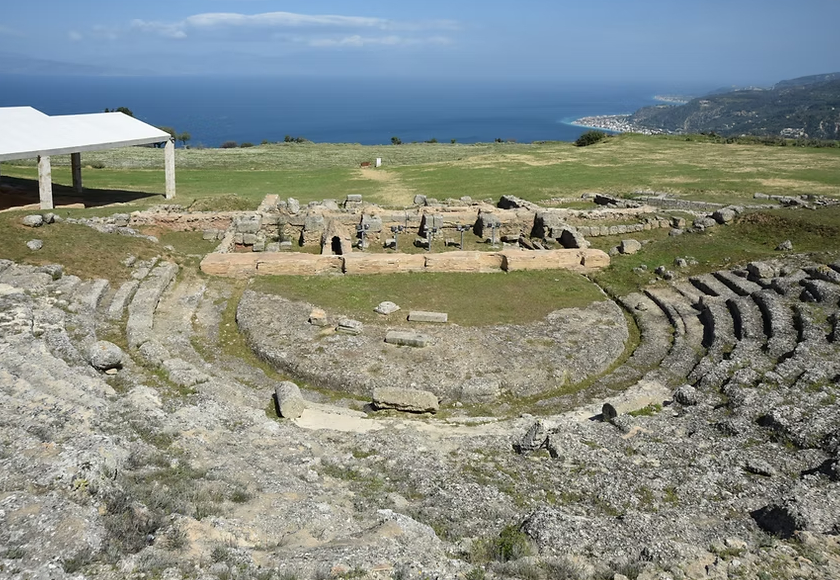
Ancient Theatre of Egira
Carved into a rugged rocky landscape with sparse vegetation, the ancient theatre of Egira literally dominates the surroundings.
It is worth visiting at any time of the year, as its appearance changes with the seasons and the colors of the flora.
In front of the viewer stretches the Corinthian Gulf, serving as the backdrop for the stage, giving the theatre a unique atmosphere accompanied by the sound of the waves.
In fact, when the air is clear, the opposite coast of Central Greece can be seen.
Sources say that it was perhaps the most magnificent building of Ancient Egira and the wider region, bearing witness to its former glory.
It dates back to the 3rd century BC and was in use until the 3rd century AD. A walk around the site gives even a brief glimpse of the past, as remnants of Roman interventions are still visible.
Today, the theatre is in operation again, but not in its grandstands, which once hosted 3,000 people!
On summer nights, excellent performances are held as part of the Aigialeia Municipality Festival, along with musical evenings under the full moon.
Tips
- The best time to visit is when the air is clear – the view of the Corinthian Gulf and Central Greece is breathtaking!
- If you can, visit in the summer for a unique experience: performances and musical nights under the full moon, set in an ancient backdrop!
Seliana
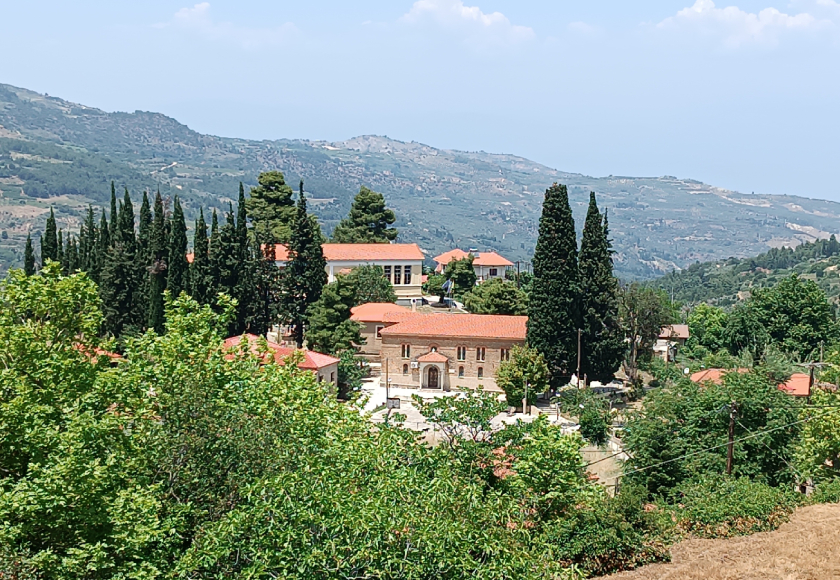
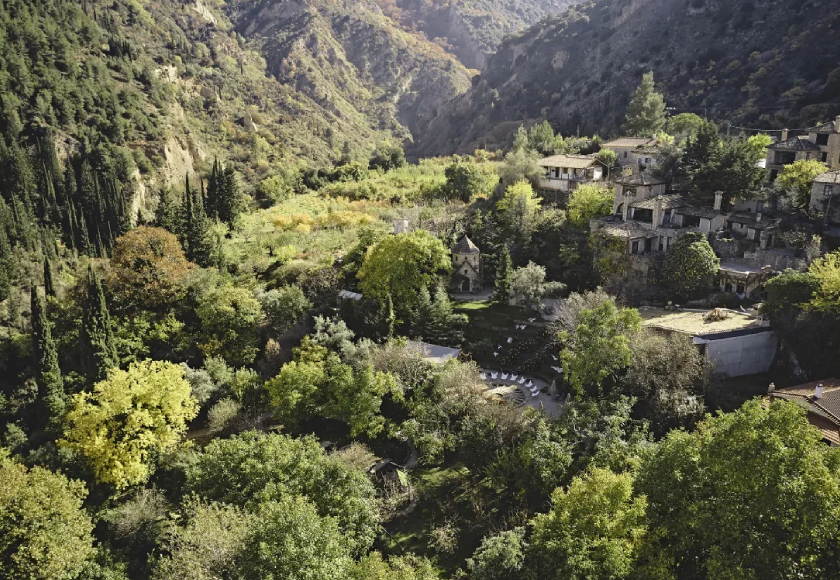
Seliana is located in the mountains of Egira, in Aigialeia, Achaea, at an altitude of 750 meters, on the border with Corinthia.
Its ancient name, Phelloë, suggests a lyrical, lush, and fertile landscape. Cherry trees, apple trees, pear trees, with centuries-old plane trees and springs with fresh water from the Krios River, which is adorned with an ancient, single-arched stone bridge.
The small village, with its many preserved stone houses and well-kept vegetable gardens, has a rich history dating back to 3000 BC, as evidenced by the archaeological findings displayed in Aigio.
Today, it has 60 permanent residents, mostly foreigners from all over the world who left the city and settled here, bringing life back to the area.
Tips
- The waterfalls are not suitable for young children and people with limited mobility, due to the difficult ascent/descent.
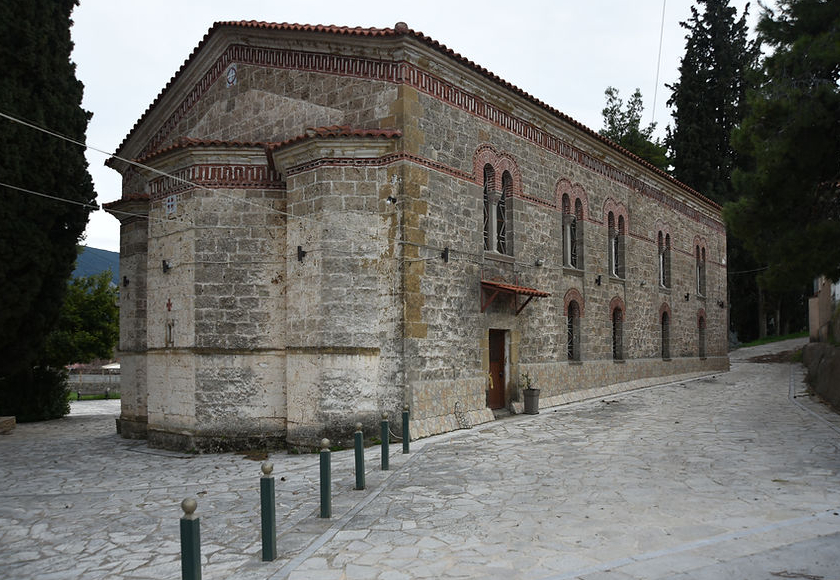
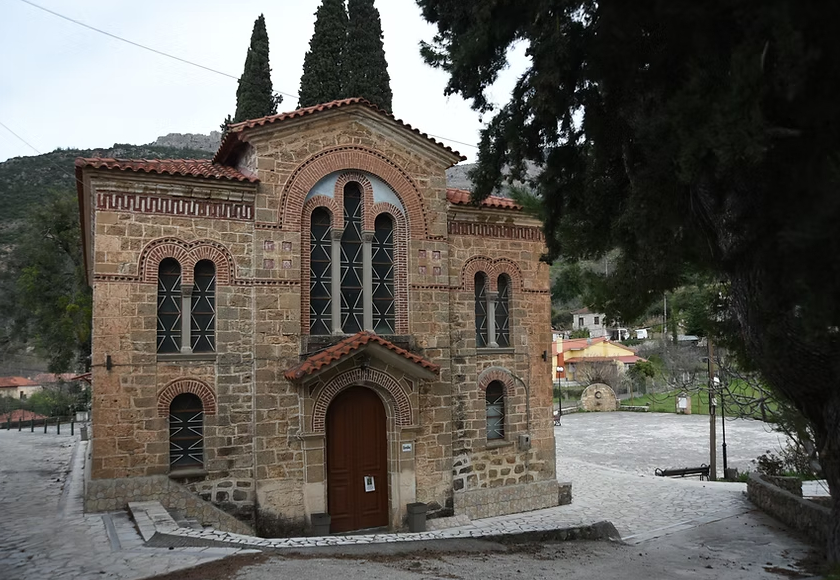
The attractions of the village include the Primary School, a bequest of A. Syggros from 1904, designated as a protected monument, and the Monastery of the Holy Apostles, a Byzantine-style building dating back to 1743 with its impressive frescoes and wooden carved chancel screen.
Take the path and head towards the waterfall of the Krios River. Although the trail is demanding, it is worth it as the landscape is idyllic: between rounded rocks, a natural pool is formed, perfect for swimming, if you can handle the icy waters!
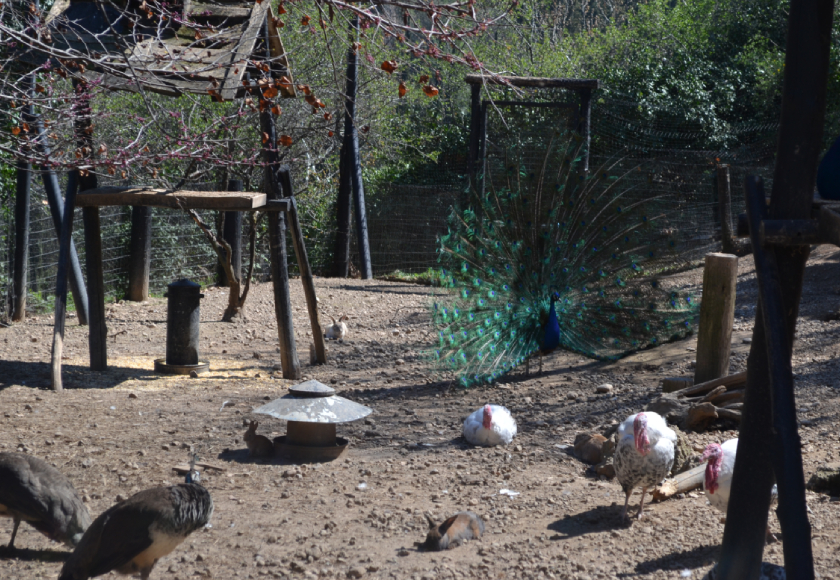
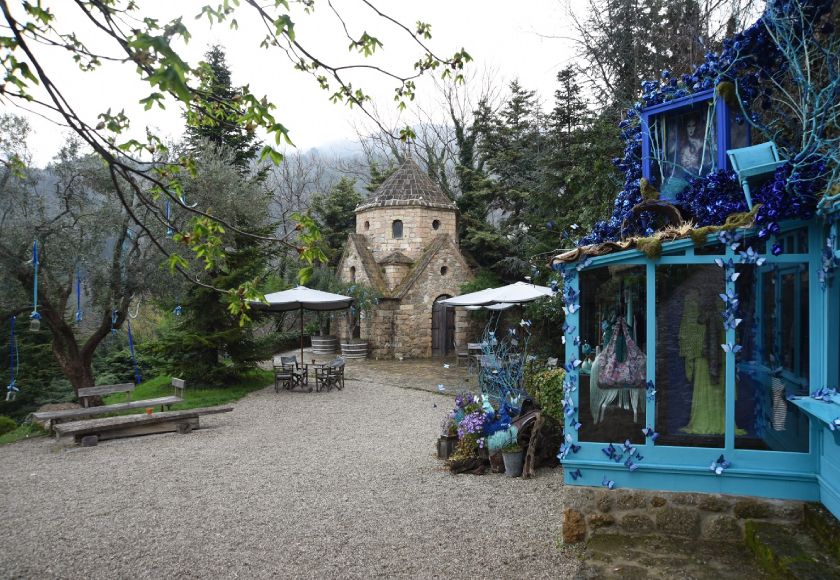
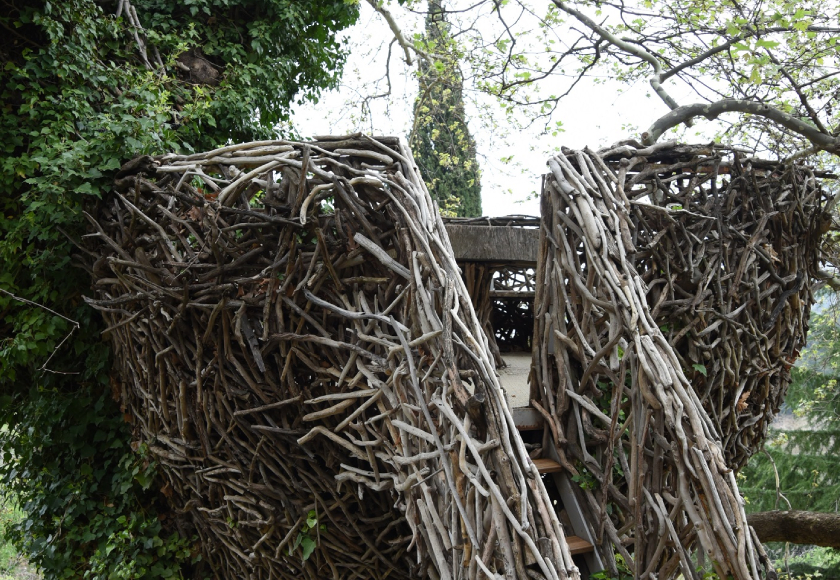
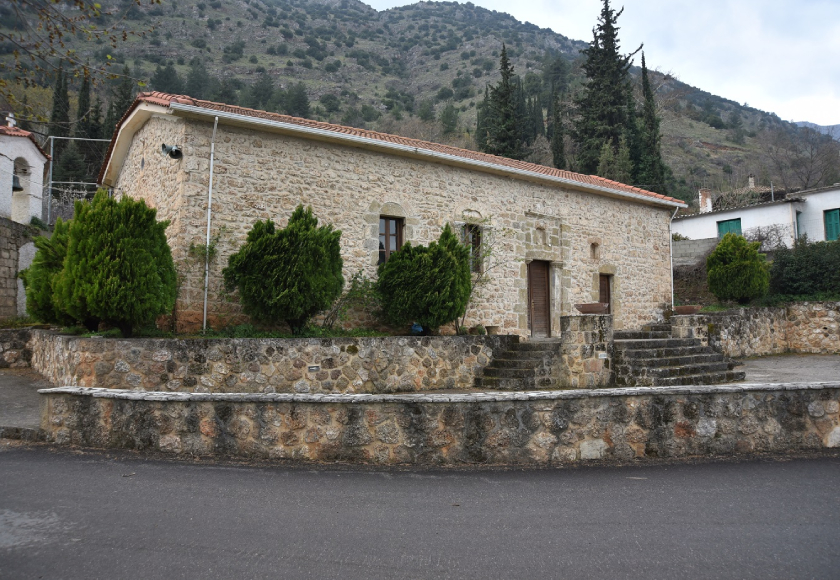
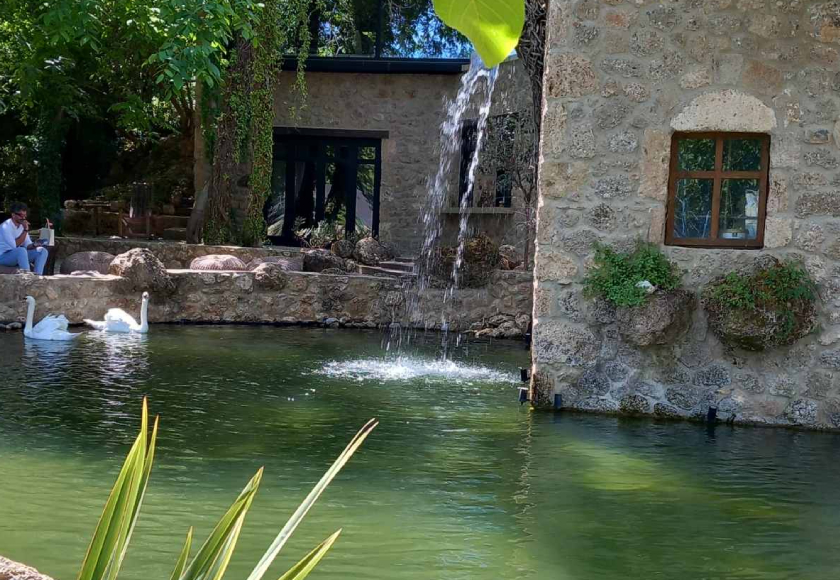
Αrea Synest
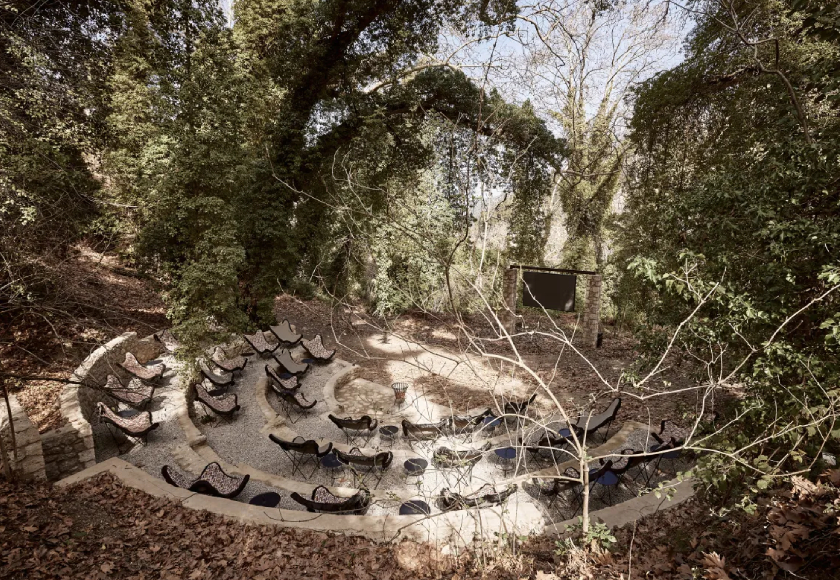
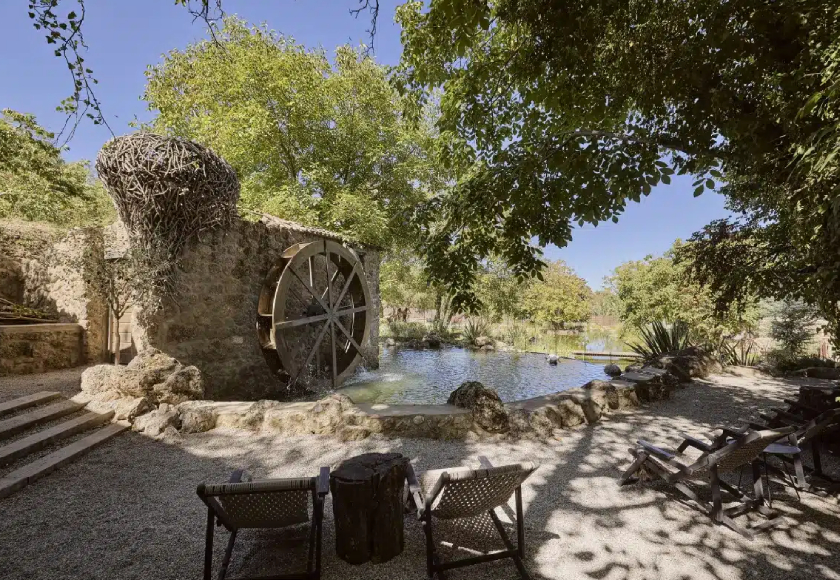
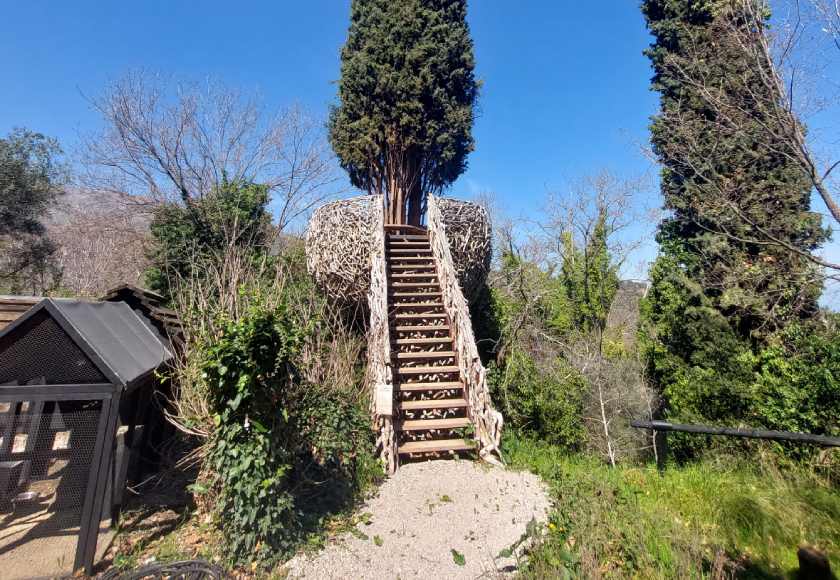
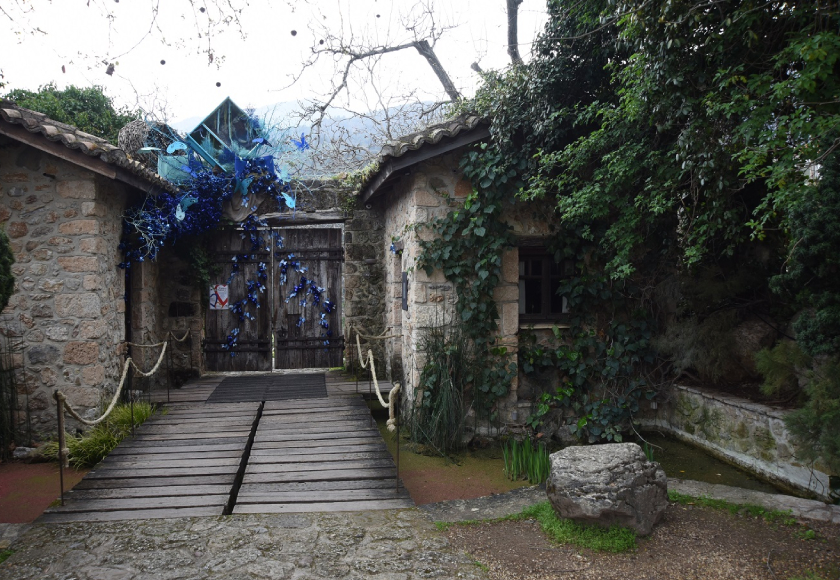
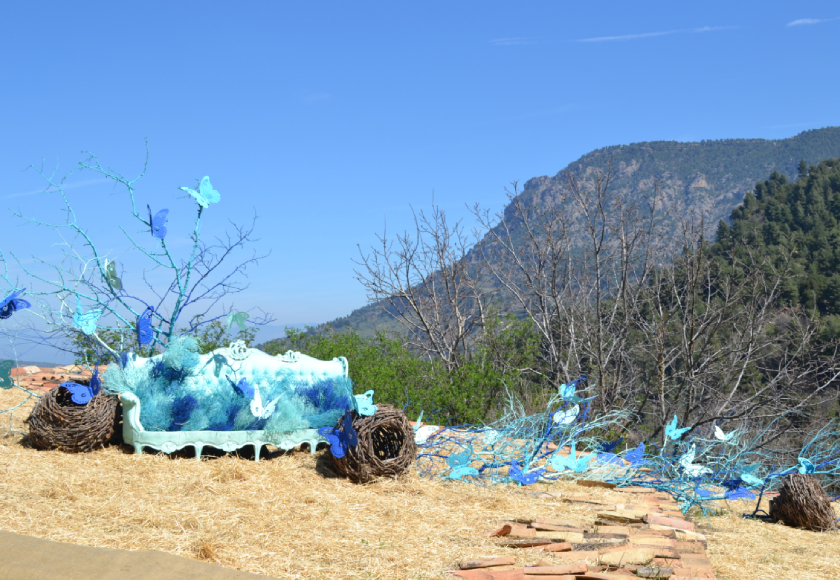
Giving the impression that it has sprung from a fairy tale, the themed park in Synest, near Seliana, will enchant you. It feels as though it takes you through time while also immersing you in an old Greek fairy tale.
Even the rooms seem to have something from the fairy world. The stunning nature, along with activities such as archery, and countless other suggestions, create a great vacation package.
Tips
- The area is open to visitors only on weekends and holidays between 11:00 AM and 7:00 PM, and not year-round.
- For more information, click here
Tsivlou Lake
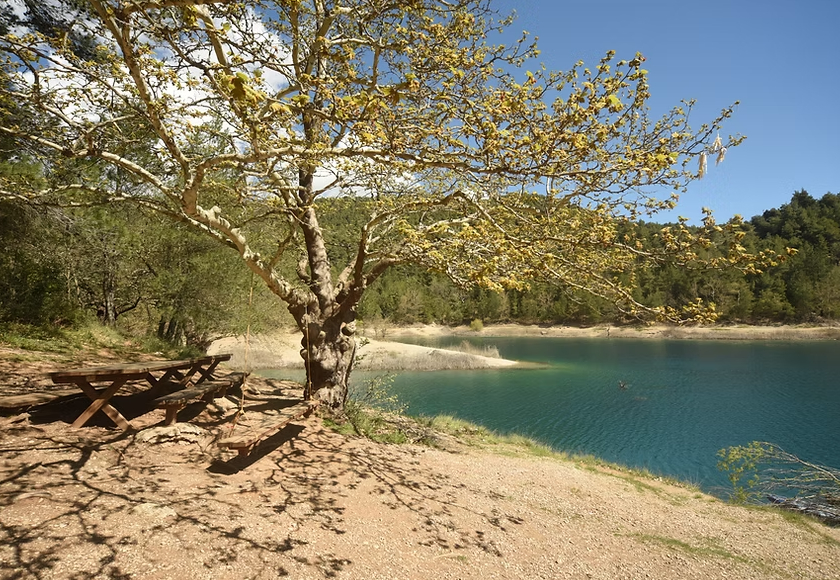
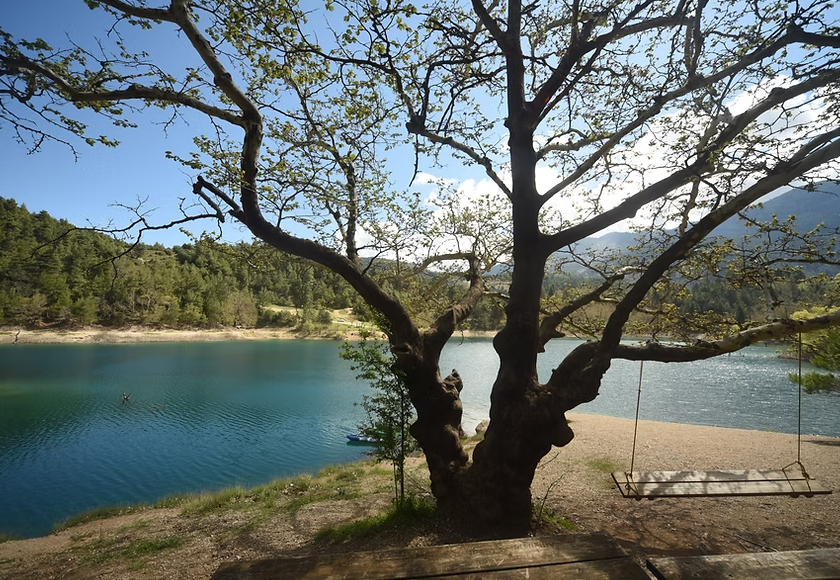
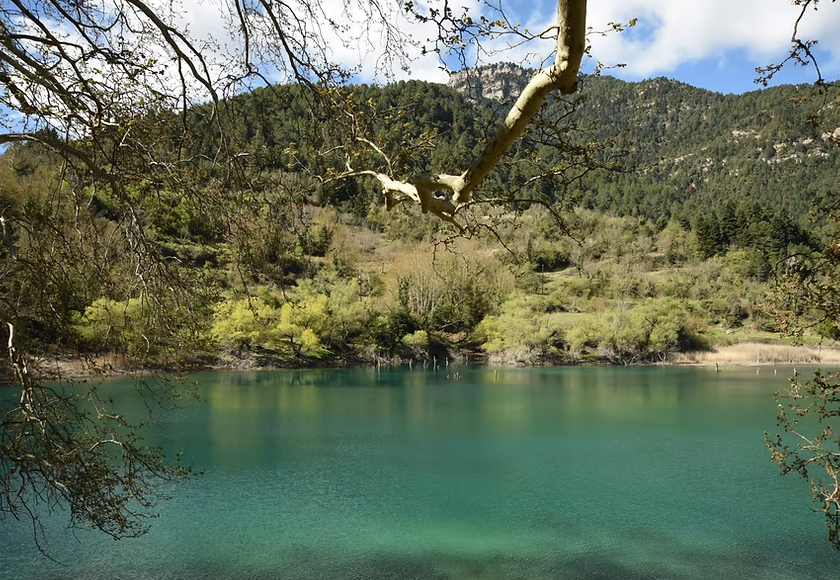
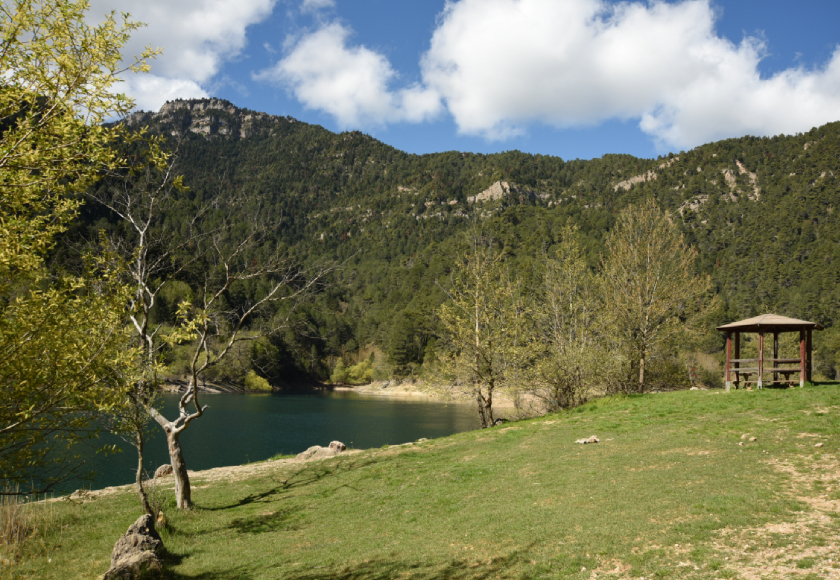
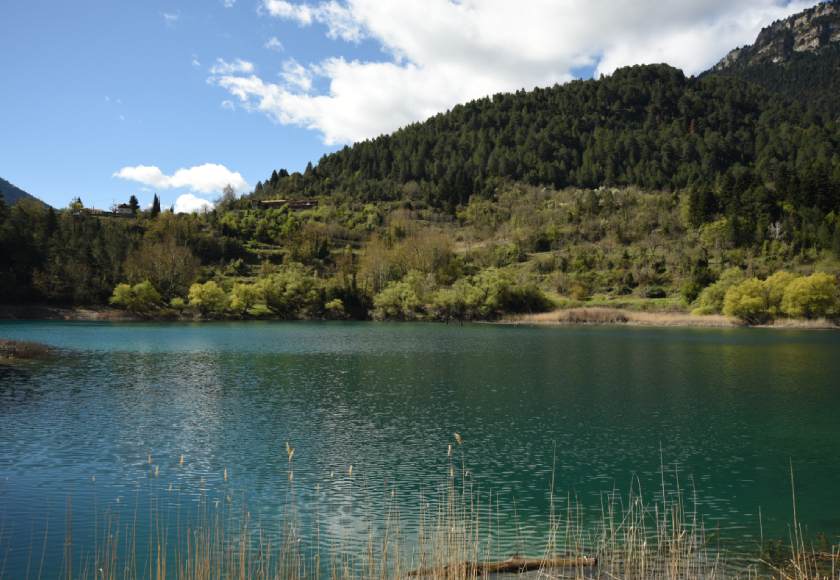
At an altitude of 800m, very close to Zarouchla, behind a dense forest, lies a small miracle of nature, Tsivlou Lake.
Its postcard-like beauty is the result of a violent landslide that occurred about a century ago, which blocked the Krathis River and swept away the village of Sylivaina, as well as part of the village of Tsvilou, which gave the lake its name.
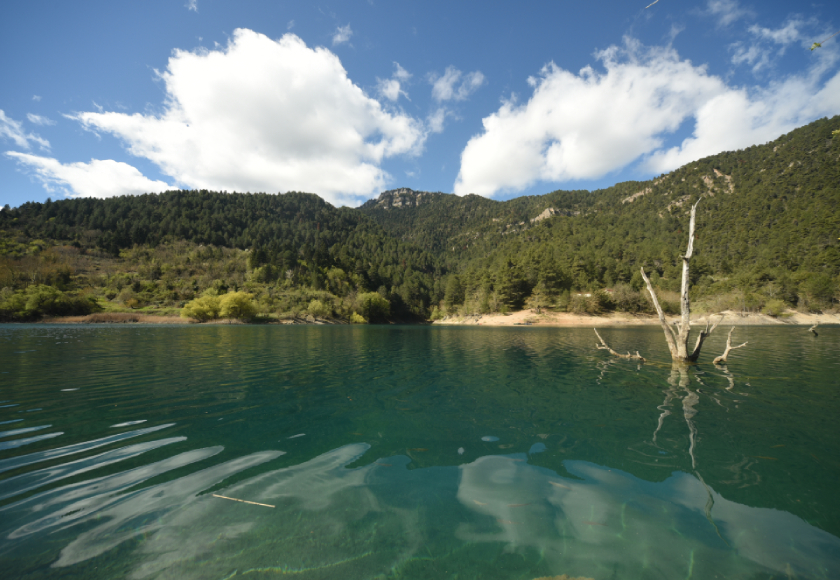
Daring divers say that the remains of the lost settlement are still there, and that when the water level drops, the tops of the bell towers and the roofs of the houses are still visible, while others say that they are illuminated by moonlight at night.
Tips
- Attention, the shores change depending on the climatic conditions!
- In the fall, the Lake Tour is organized, with hiking trails of 2 and 5.5 km for the more experienced!
Today, it is a small watery paradise with turquoise calm waters, reflecting black pines, oaks, chestnuts, and fir trees.
Camp, fish, go kayaking or mountain biking, or simply relax with a refreshing dive and meditation, with a view of the slopes of Helmos.
Agia Varvara
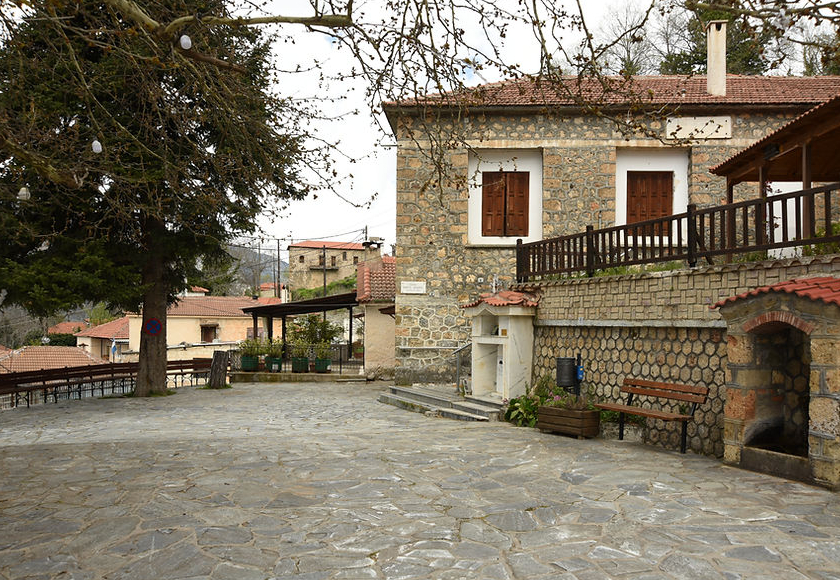
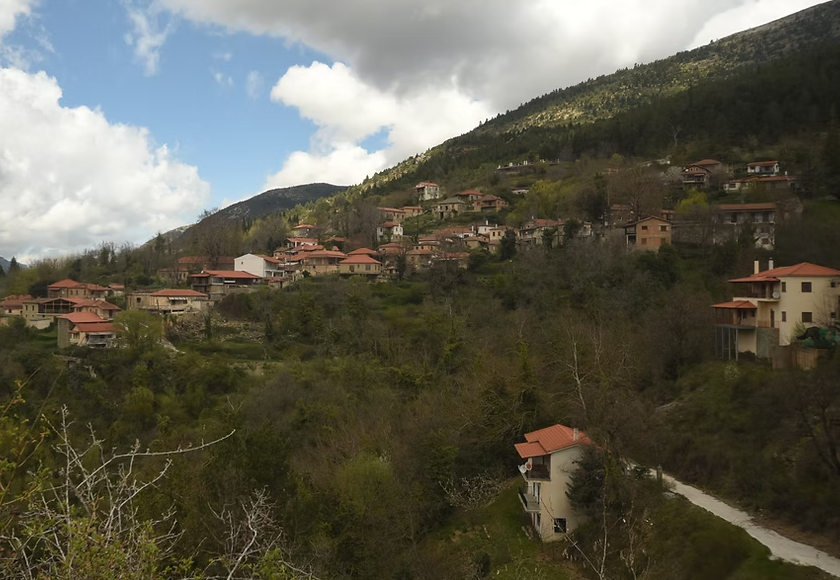
The village of Agia Varvara, surrounded by plane trees and acacias, is said to have the best climate in the Peloponnese.
Indeed, whether this is true or a form of self-suggestion, the closer you get, the more you feel a sense of well-being!
This might be the reason behind the artistic spirit of the famous Barbarian craftsmen, who have adorned every corner of the village.
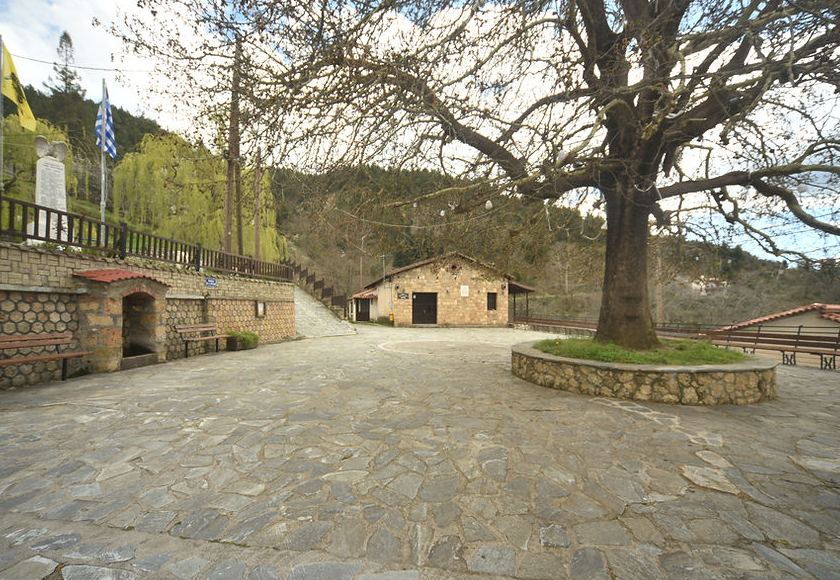
Their art is reflected in stone fountains, stone bridges built with geometric precision, perfectly carved walls of mansions, and other excellent examples of folk architecture, which testify that it was once a prominent village.
Local attractions include the homes of the local leaders Argyriadis and Theoharopoulos, as well as the churches of Agia Varvara, Agios Georgios, and Panagia, which were built over 100 years ago.
Soon, the Stone Museum will open, showcasing exhibits on all aspects of local art, offering a comprehensive view of the region's craftsmanship.
The village owes much to the entrepreneur and benefactor Christos Arfanis, who completely redeveloped it and transformed the local elementary school into a guesthouse.
Walk along the well-maintained cobbled streets and squares, and take time to visit the unique tavern-café, which operates daily during the summer season and on weekends in the winter.
Tips
- For years, the first weekend of October has hosted a two-day event that includes: a hiking tour of the village through paths and cobbled streets covering a distance of 5 km on the first day, and a Mushroom Hunt and Mushroom Festival, which includes a meal prepared by experienced chefs, an exhibition of traditional products, and live music.
Nymfes Estate
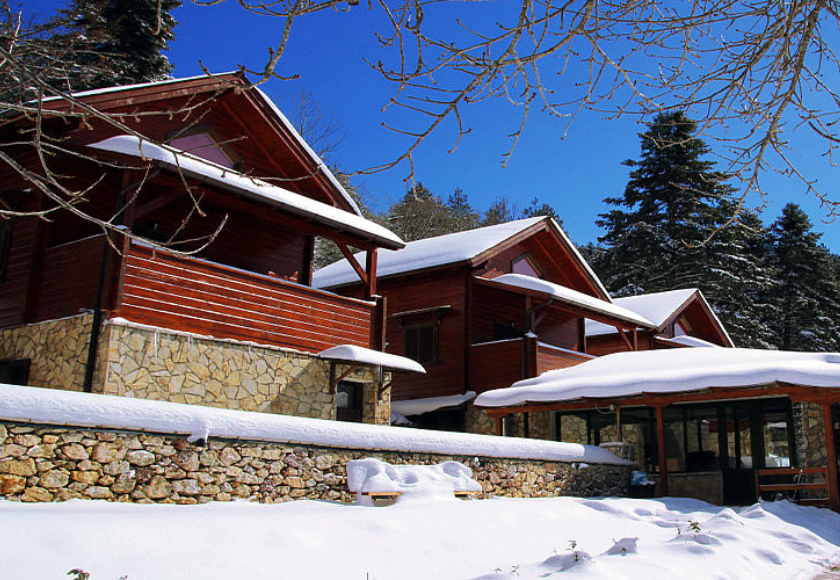
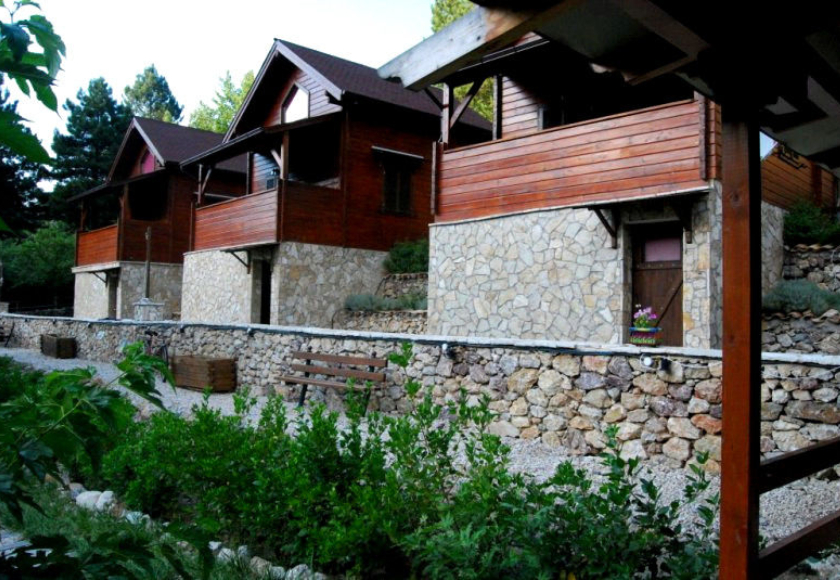
The "Nymfes" are located in a lush green and dense fir forest at an altitude of 1,000 meters, 40 kilometers from Akrita, while the village of Zarouchla is just 300 meters away.
Next to them flows the Krathis River, which, according to tradition and mythology, is home to its Nymfes. Their main principle and philosophy: the perfect harmony of hospitality with the natural environment.
Tips
- For more information, click here.
Zarouchla
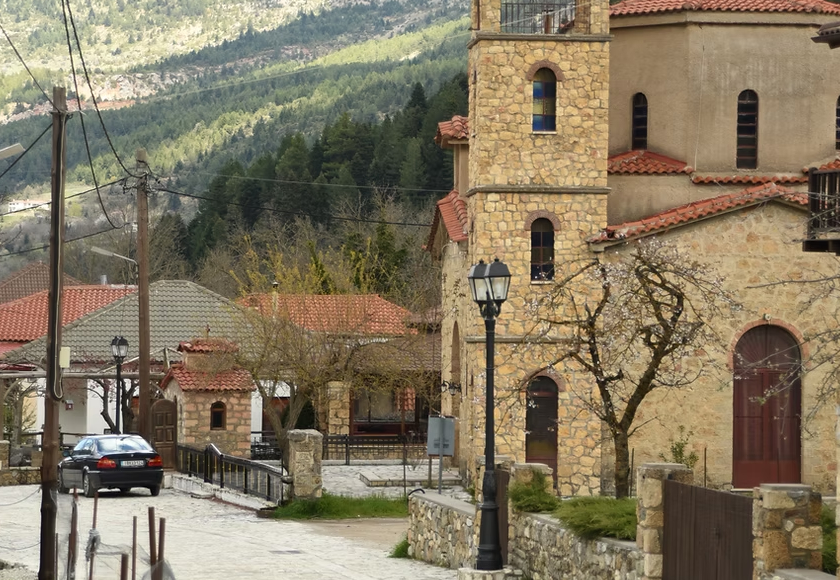
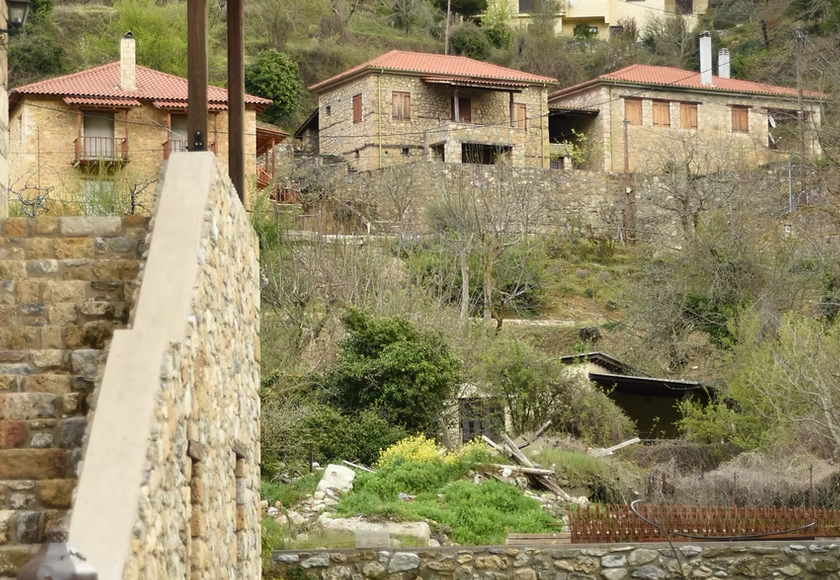
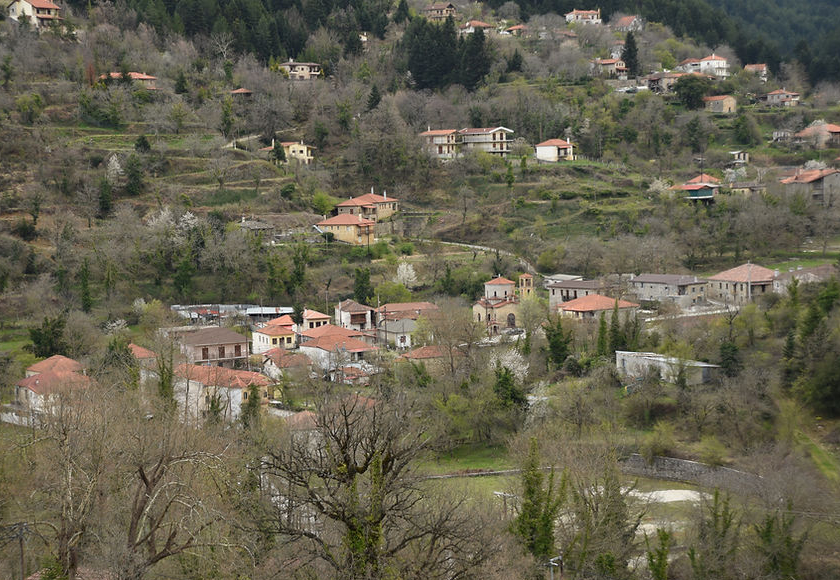
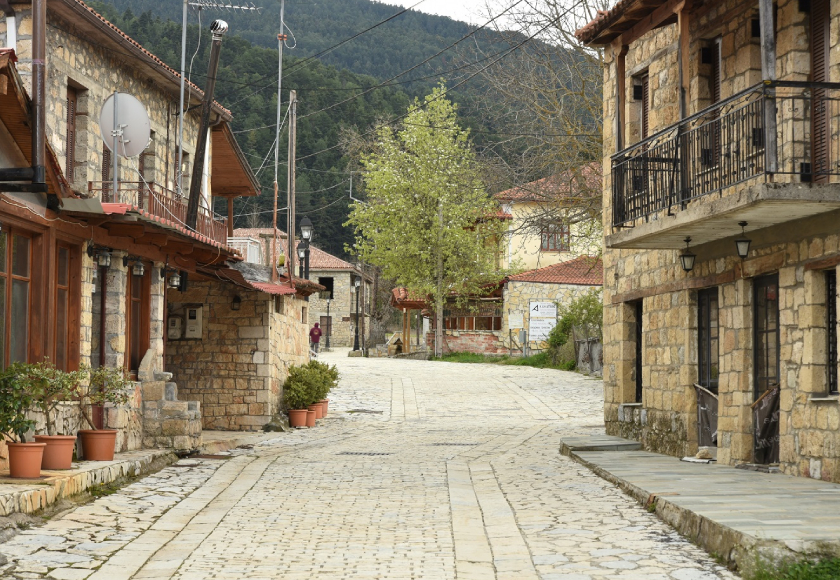
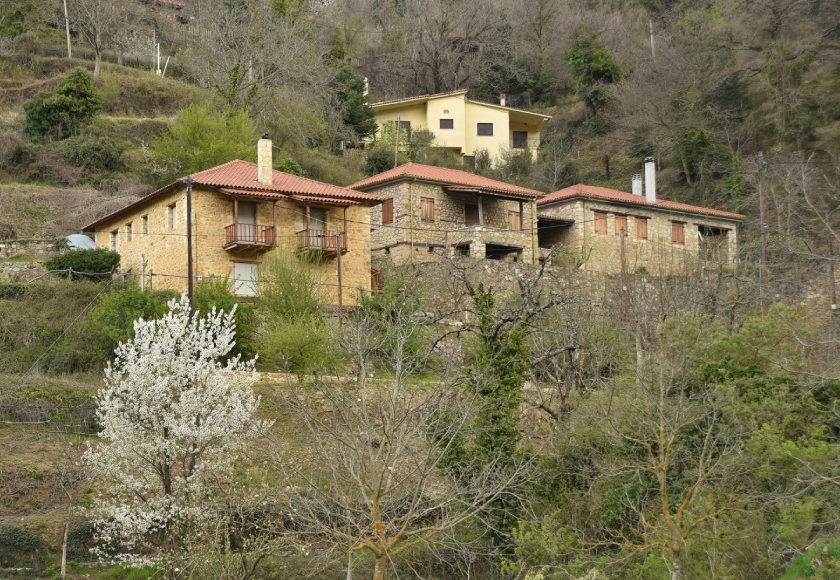
Blessed by the babbling waters of the Krathis River and the clean air of the dense forest that surrounds it, the famous Zarouchla is one of the most beautiful villages of mountainous Achaia and Chelmos.
Its picturesque cobbled streets, stone-built houses, and recent tourism development have created beautiful guesthouses, workshops with local products, and taverns with delicious food, making this small village particularly popular. Its revitalizing influence is present all year round.
Its close proximity to the Kalavryta ski resort and the enchanting Tsivlou Lake are reasons to choose it as a base for exploring the area and the beauties hidden in the villages at the foot of Chelmos.
The historical gems complete the interesting tour. Known is the 1700 fortification tower of the warrior chief Asimakis Fotilas.
Today, it is a guesthouse that has preserved the building's structural elements, battlements, and bastions.
A little further, two more traditional mansions testify to the glorious past of Zarouchla, as its inhabitants played a leading role in the 1821 Revolution.
The thread of history reaches up to the post-Byzantine Monastery of the Holy Trinity, with 18th-century frescoes, which is worth visiting, even if only externally.
Tips
- The Folklore Museum, located in the Old Primary School, is open on weekends. If you find it closed or if you happen to visit on another day, you can call the village President, Ariadne Chatzi, at 6976883991 to open it for you.
- Don't miss the opportunity to try the beans of Zarouchla, which, if you visit at the right time, you'll see being cultivated by the locals, who are also involved in forestry and livestock farming.
Solos
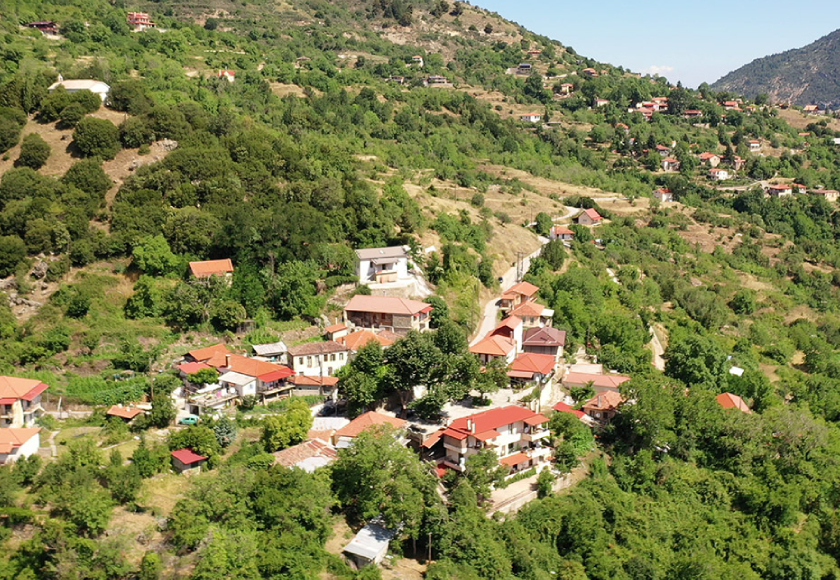
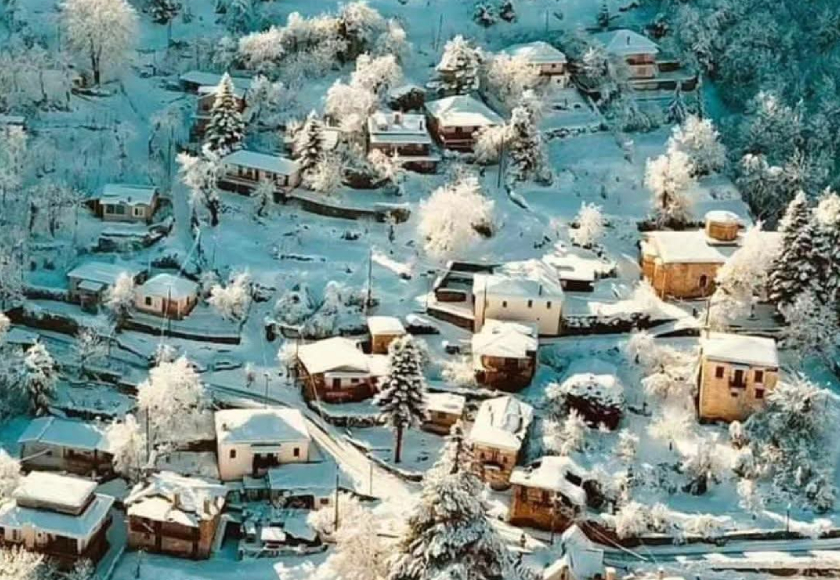
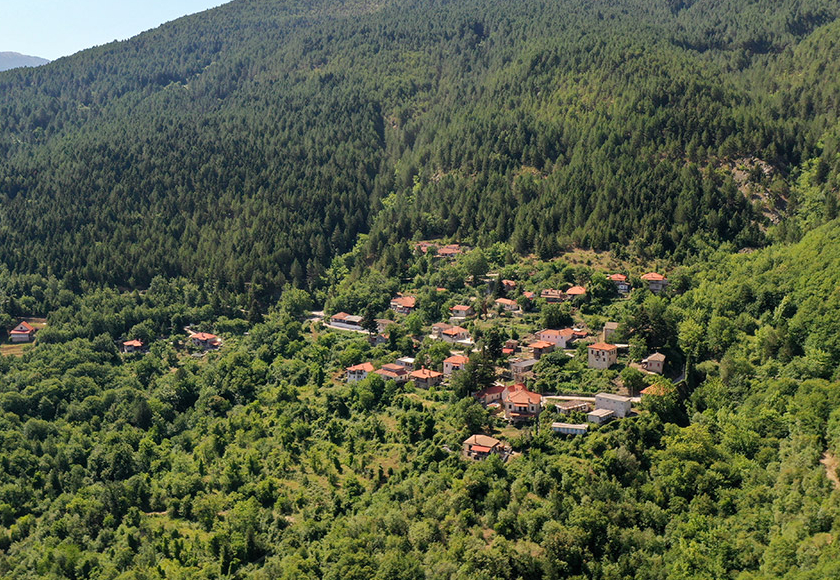
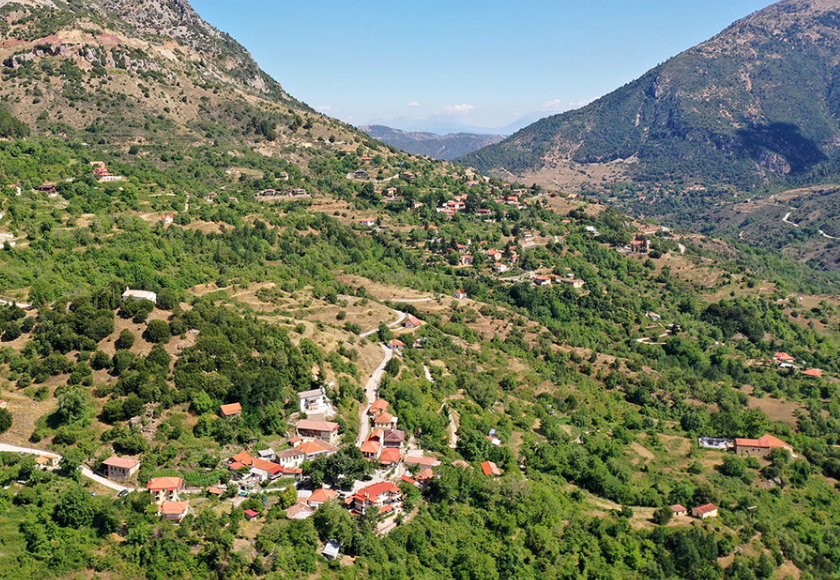
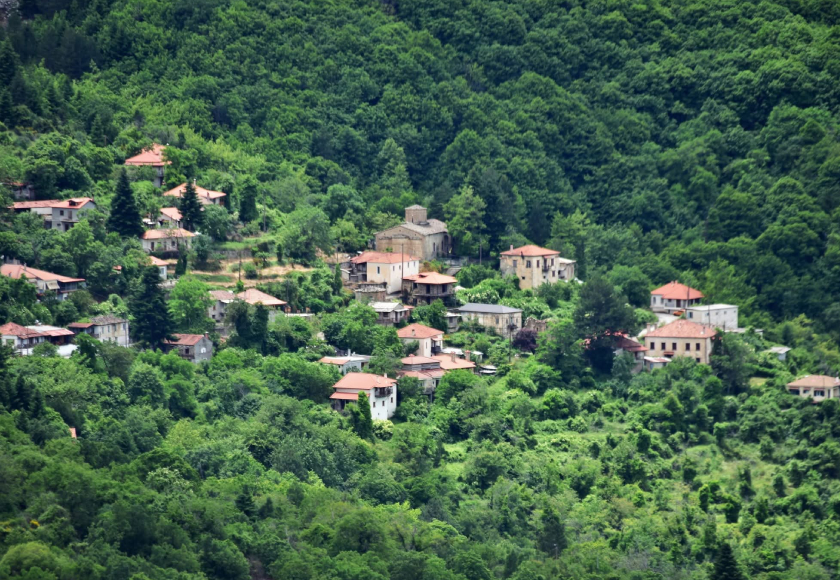
Built at an altitude of 1,050m on the slopes of the Aroanian Mountains, the village Solos is one of the highest settlements in Achaia and boasts stunning nature.
For those who know, it is the kingdom of mushrooms. Not only because in the autumn, its forest turns into a mushroom land where some of the tastiest varieties and rare herbs grow, but also for its famous mushroom dishes.
Its unique tavern offers unforgettable specialties from "grandfather to grandfather" recipes and willingly shares the secrets of the Amanita and chestnut mushrooms that grow in the area.
The menu also includes local meats, roasted chestnuts, and good wine.
Tips
- To visit the interior of the Church of Saint George, just ask the owner of the village tavern to open it for you.
- The suggested hike is suitable for experienced individuals. Alternatively, you can go up to a certain point and admire the dense forest.
Here is also the mansion of the chieftain Nikolaos Christodoulou, known as Soliotis, a leader of the Greek War of Independence, which you can admire from the outside.
The building features distinct battlements and scalding elements in its architectural details, but it needs maintenance.
In front of it stands the Church of Saint George, built in 1806, with a wooden carved iconostasis of local craftsmanship, as well as the icon of the Virgin Mary, which was desecrated by Ibrahim Pasha, who carved it with his sword.
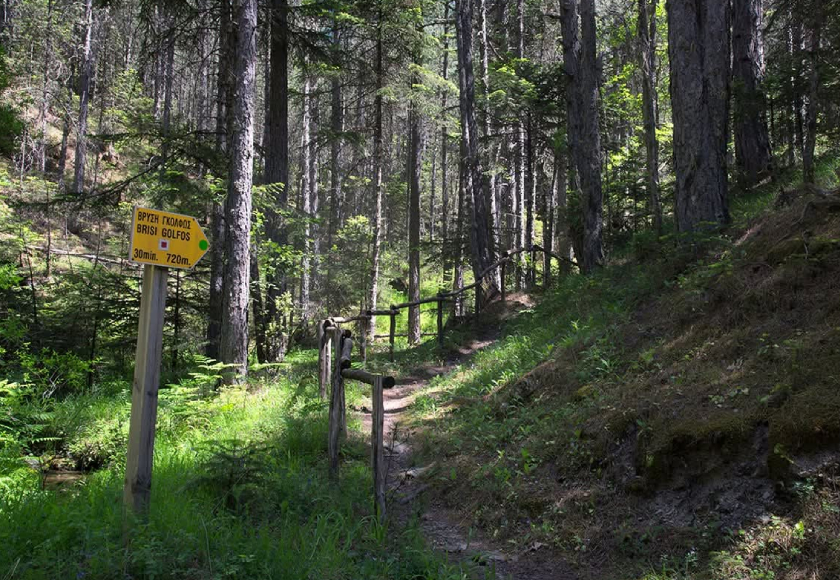
Somewhere here starts the 2.5-hour hiking trail to the Styx Valley and the eponymous waterfall.
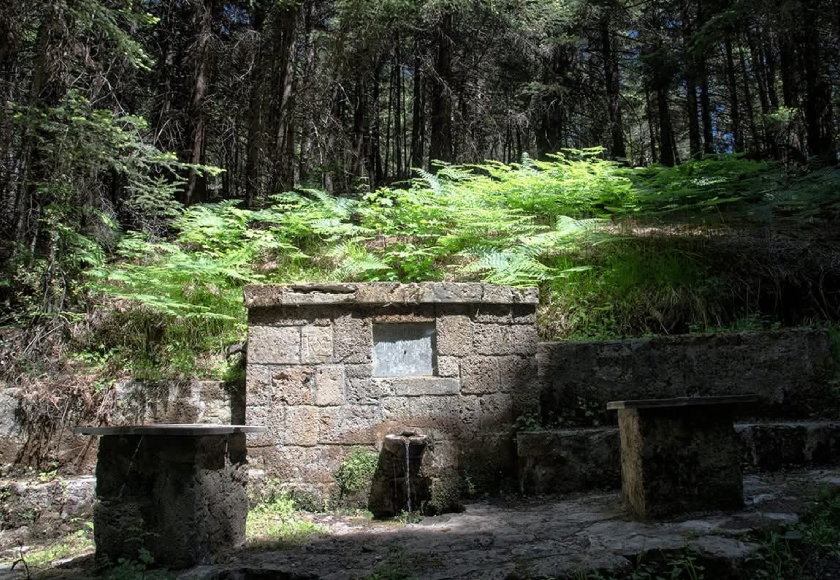
The Gkolfos Fountain
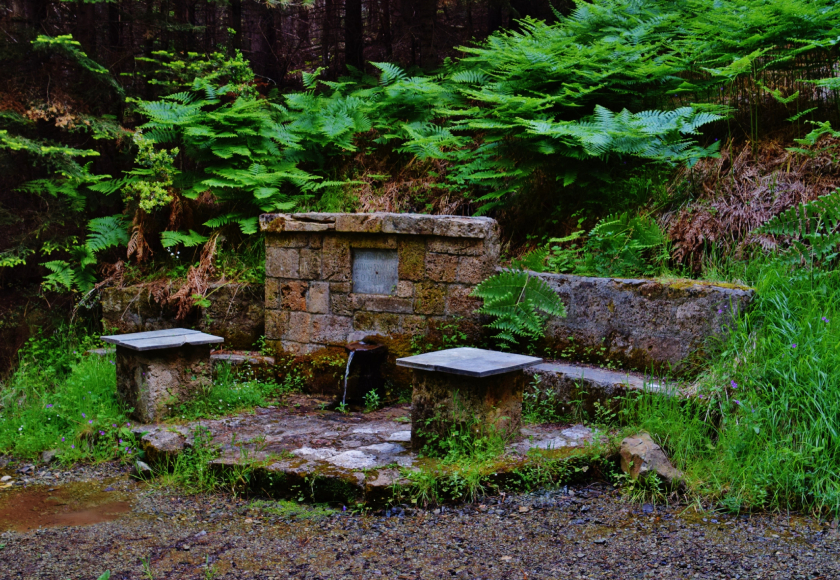
A little outside the village of Solos, next to the Krathis River, is the Gkolfos Fountain. It serves as the real-life backdrop of a - perhaps - fictional pastoral drama with a lovesick shepherdess and her beloved, Tasos.
The work, written by playwright Spyros Peresiadis in 1893, has since been adapted several times in modern Greek theatre, continuing to move literary audiences.
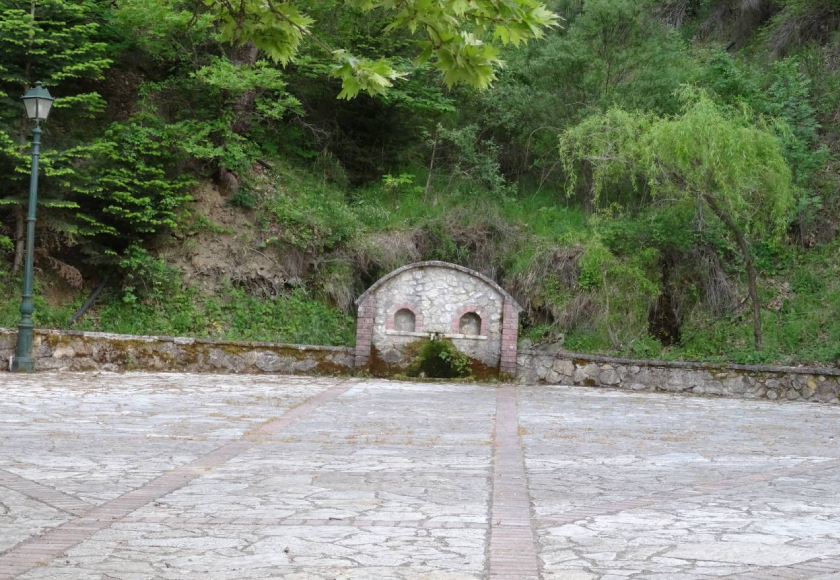
The stone-built Gkolfos Fountain, a witness to a love doomed not to flourish due to economic and social obstacles, became famous because of the eponymous film, which was also the first known silent film of Greek cinema.
At the same time, it brought attention to the region and to the writer's birthplace, as he came from the nearby village of Mesorougi.
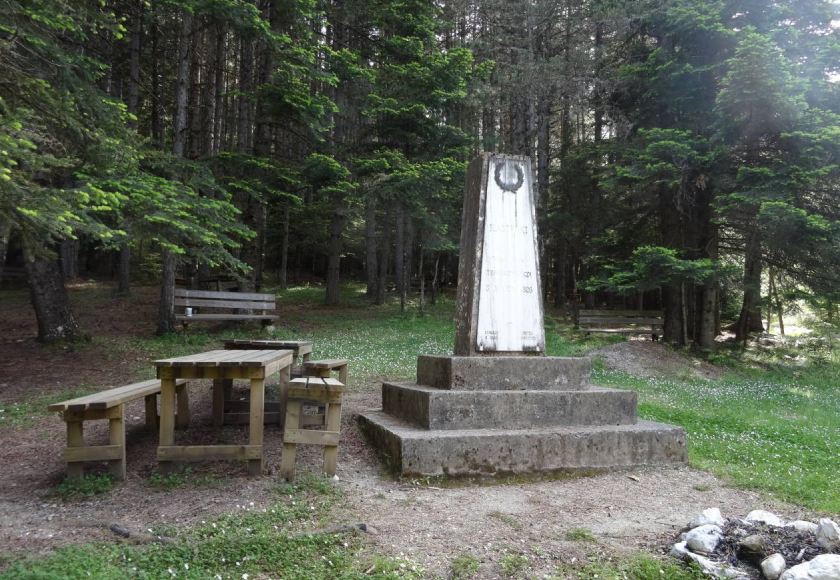
In today’s real world, the romantic fountain offers crystal-clear water, a stunning view of the forest, wooden picnic tables perfect for a break during your hike—or even a picnic—and, of course, an aura of eternal love!
Tips
- The spring is easily accessible by road. It is located within a dense forest, 4 km from the nearest inhabited area.
The Kalavrita Ski Resort
The Kalavryta Ski Resort is becoming an increasingly popular destination for skiers, as well as for those who simply love winter destinations and snow activities.
With two chalets of different aesthetics, its cosmopolitan and alternative profile is in perfect balance. Therefore, in addition to the large slopes appreciated by every skier, it is also a meeting point for entertainment.
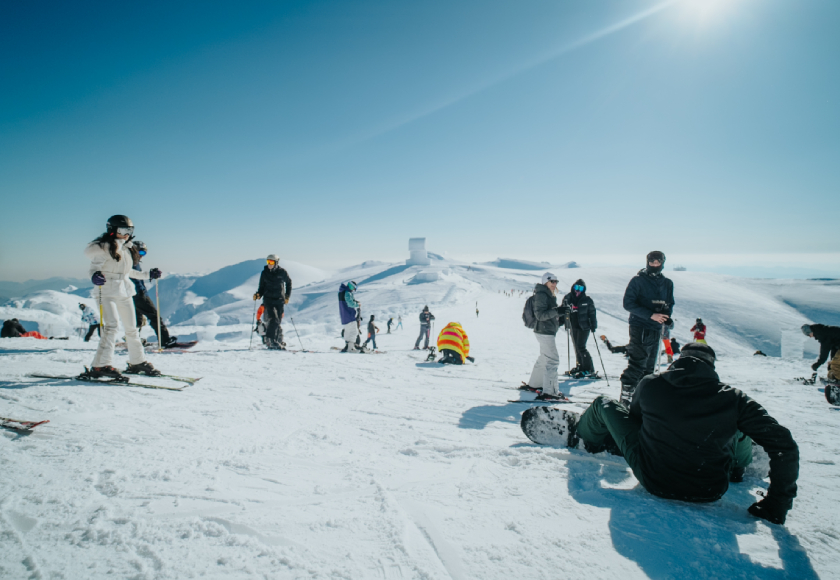
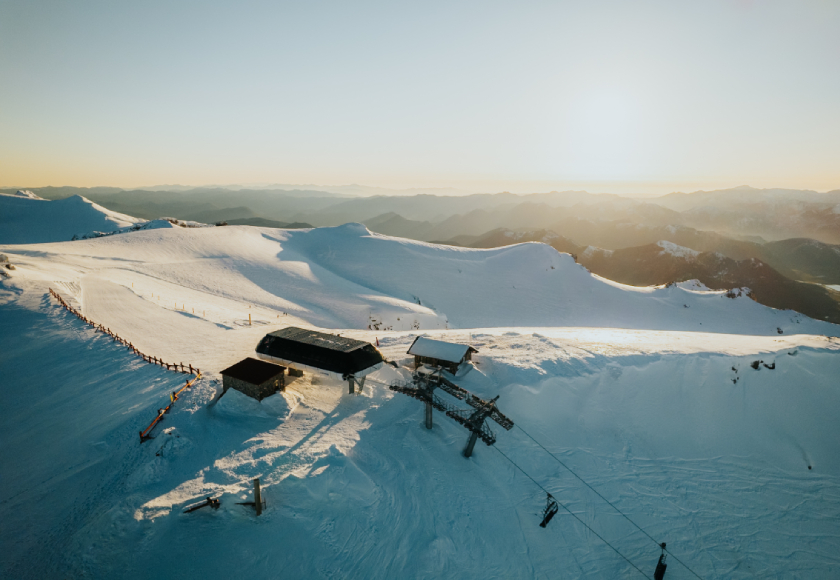
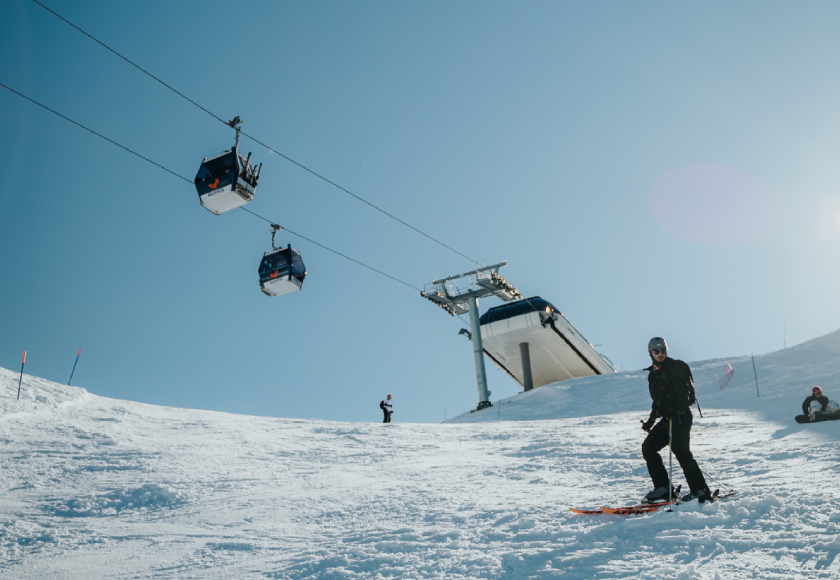
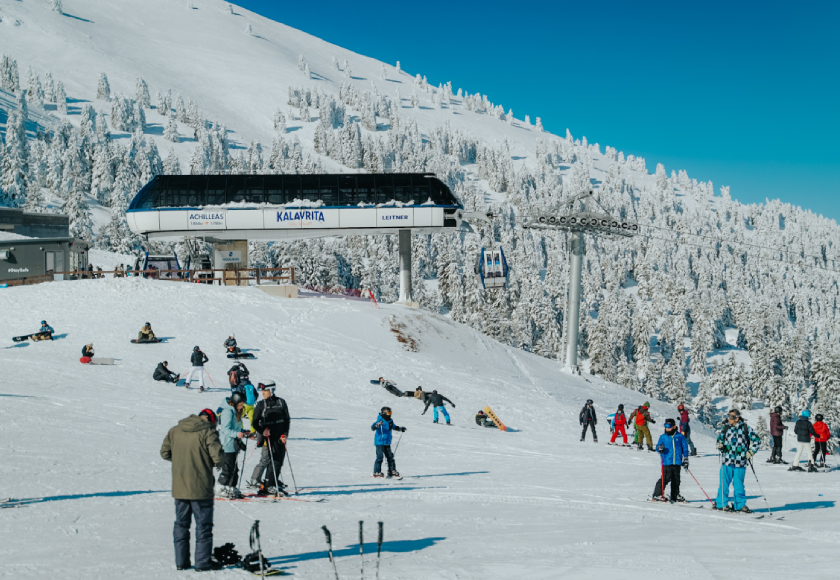
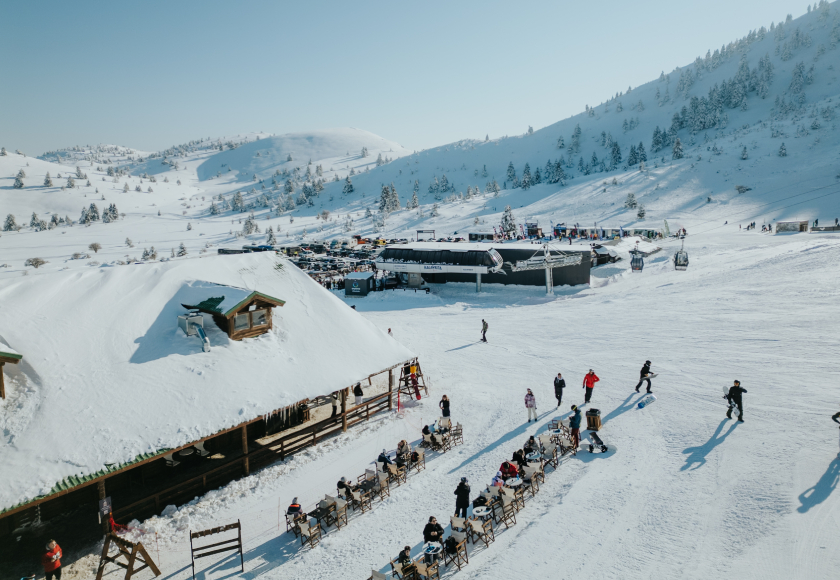
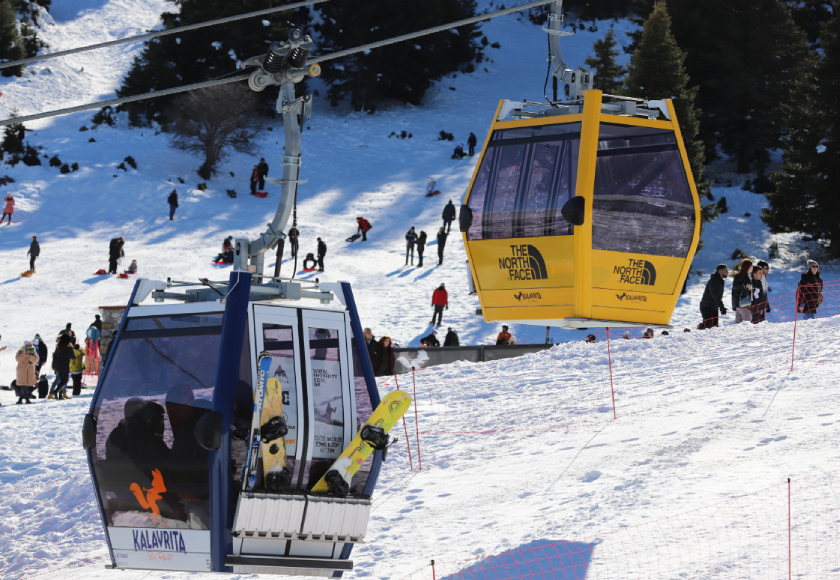
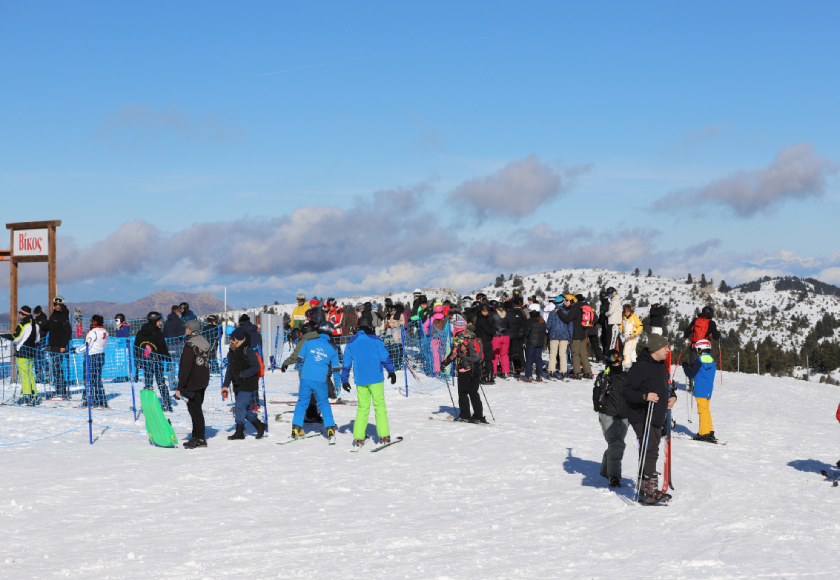
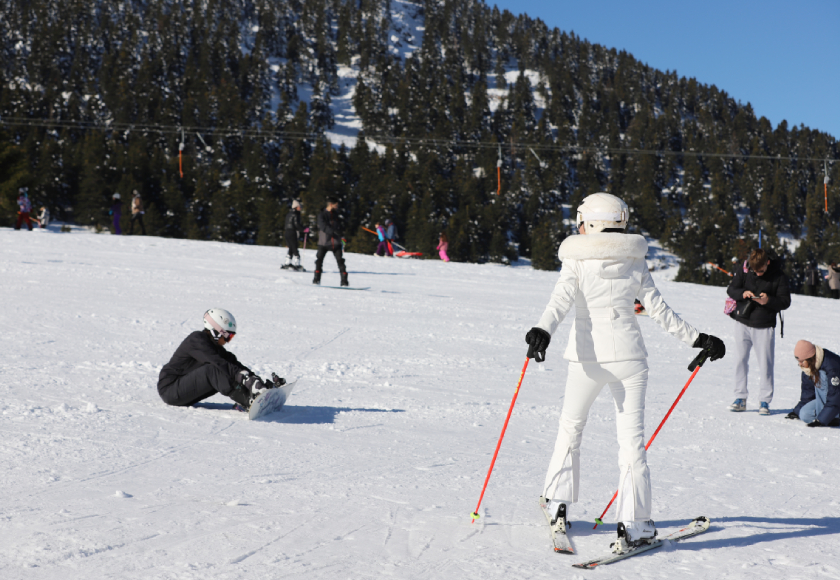
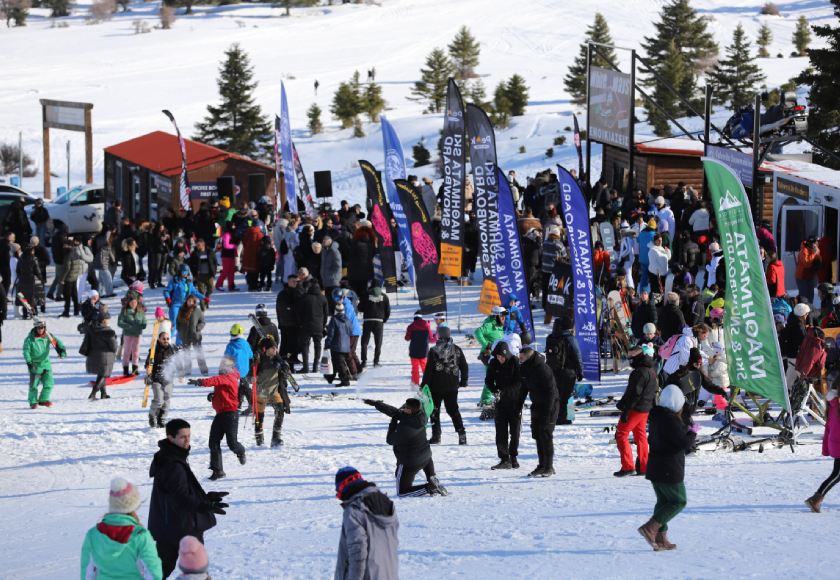
It has a calendar full of events organized both inside its premises and at its outdoor bar at an altitude of 1,900m!
The central Chalet is accessible by vehicle, while for the outdoor area, the use of the three-seat aerial lift "Achilles" or the T-bar lift "Daphne" is required.
Lake Cave
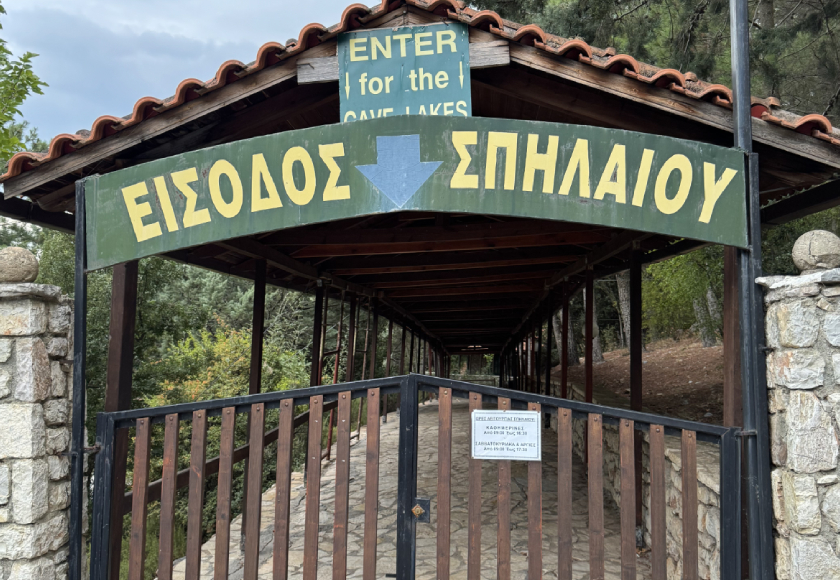
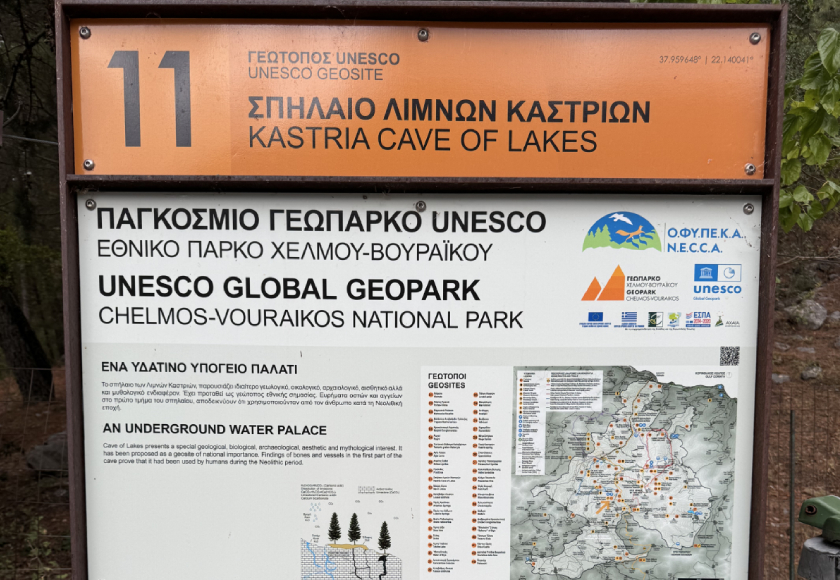
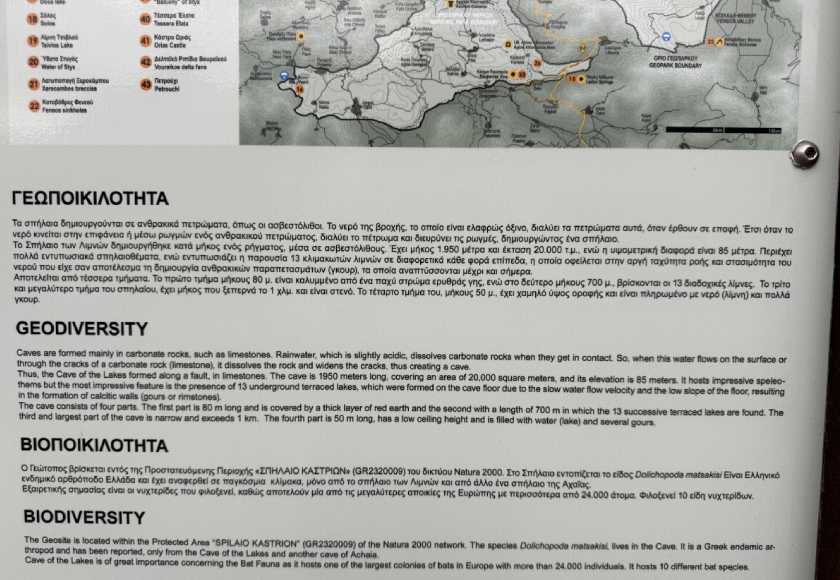
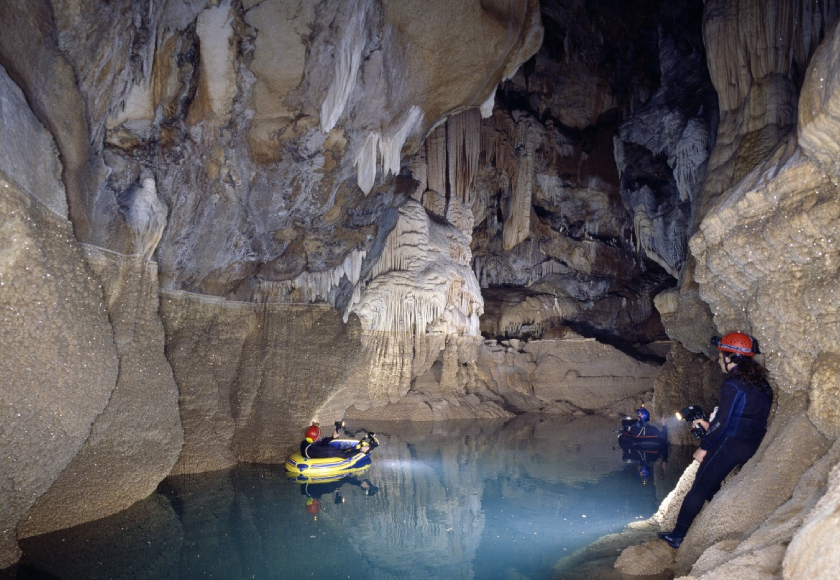
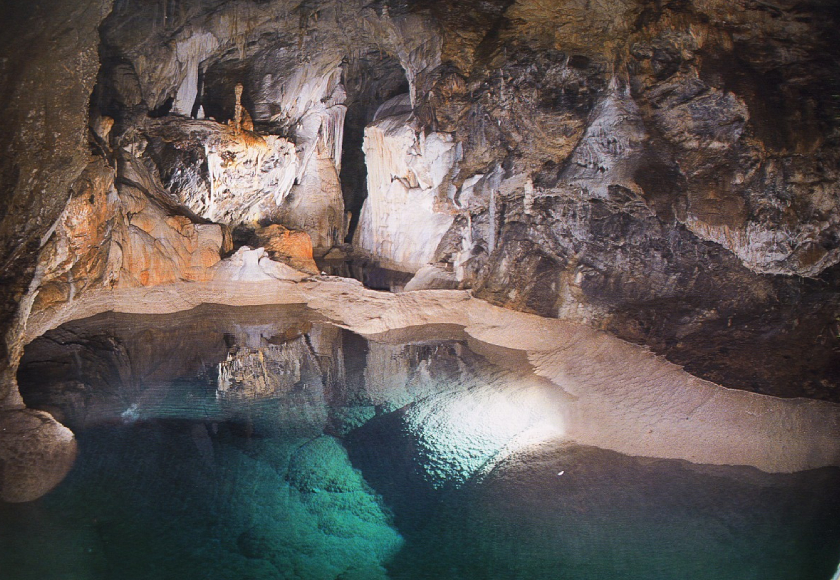
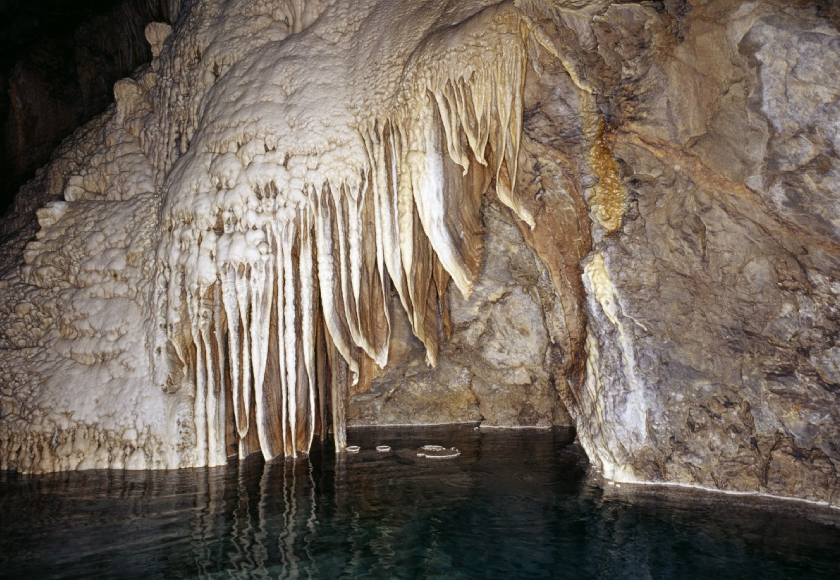
If just hearing its name brings underground lakes to mind, then... you guessed right! About 17km from the cosmopolitan Kalavrita, in the village of Kastria, lies a magical underground world, belonging to the Chelmos-Vouraikos Geopark, and it is considered unique.
The Lake Cave itself suggests that the visitor will encounter underground chambers filled with water and waterfalls. Along the 500 meters of the accessible route, one can see the "bat chamber," the "medusas," the "chandelier," the "alabaster" and "foamy waterfalls," and other interesting points with equally attractive names inspired by the rocky formations of the cave, sparking the visitor's imagination.
Next, elevated bridges cross an atmospheric setting that, in addition to the lakes, consists of stalactites and stalagmites thousands of years old, in complex formations reaching up to 3 meters in height, while the ceiling height can reach up to 30 meters.
It is worth noting that the microclimate inside the cave is influenced by the external weather conditions.
In the winter, when the snow melts, the cave transforms into an underground river with natural waterfalls, while in the summer, part of it dries up and reveals unique lace-like lithomorph basins and dams up to 4 meters high.
Additionally, significant information is provided by the cave's museum space about geological and anthropological findings using digital and innovative methods.
Together with the low lighting, the tunnels, and the labyrinthine corridors, the experience becomes unique.
Although the 13 lakes are arranged in three levels, only the second one is accessible to the public, but it is enough to make it unforgettable.
Tips
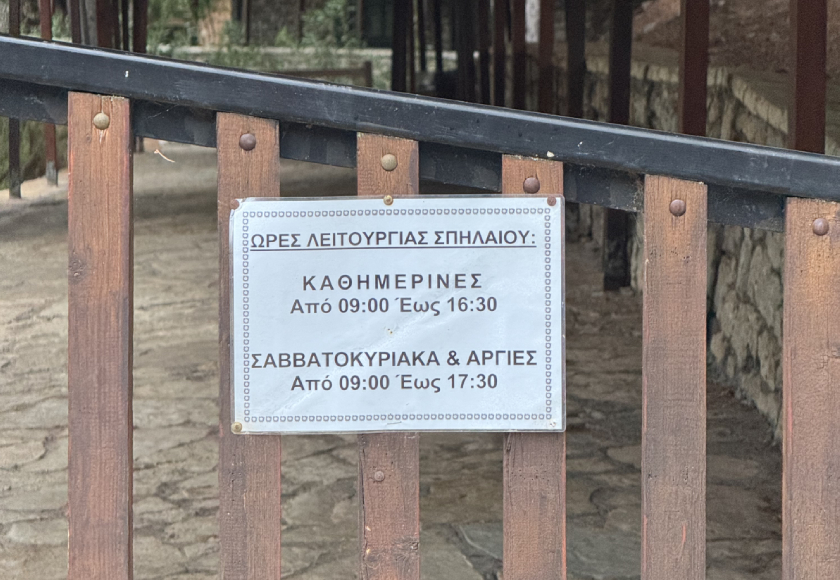
- The operating hours are daily between 09:00-16:30. Extended hours during holidays and summer months
- General admission: €9.00 and includes a guide
- Be aware of the high humidity inside the cave, which is why we recommend bringing a cardigan with you.
- Contact Numbers: +30 26920 31001, +30 26920 31633
Planitero
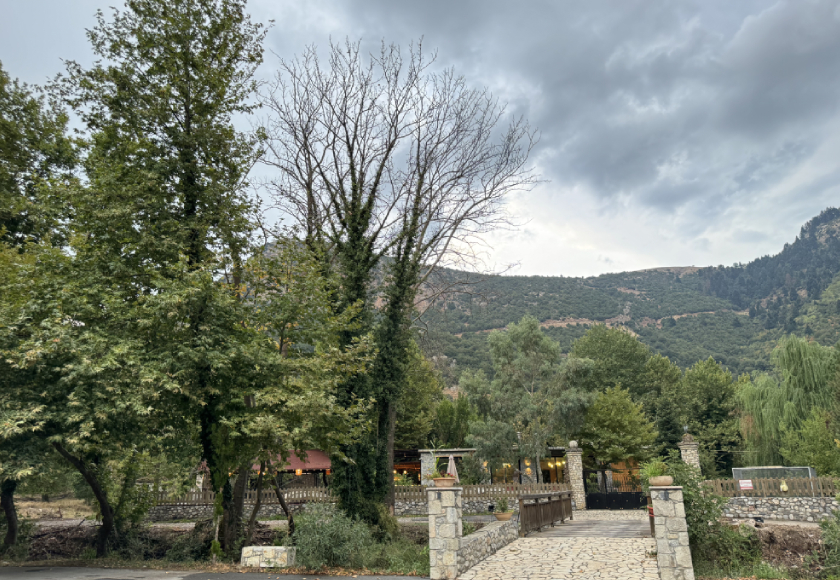
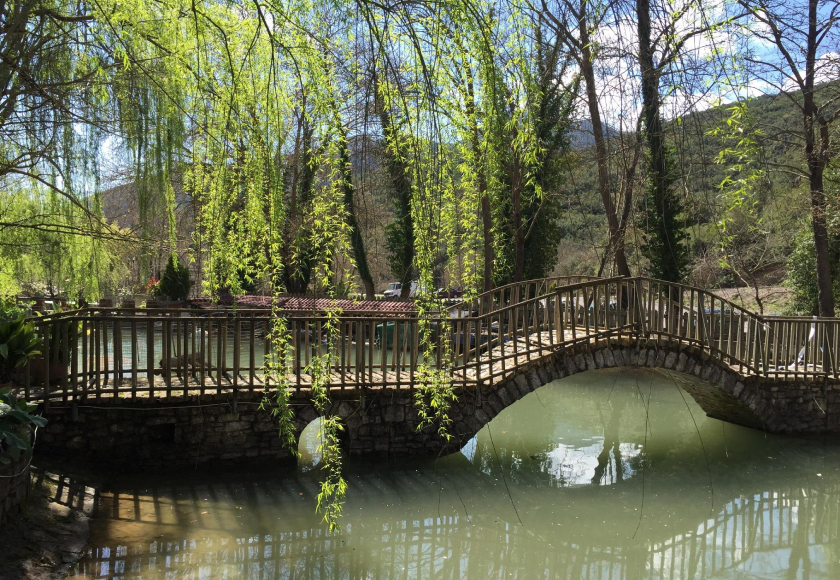
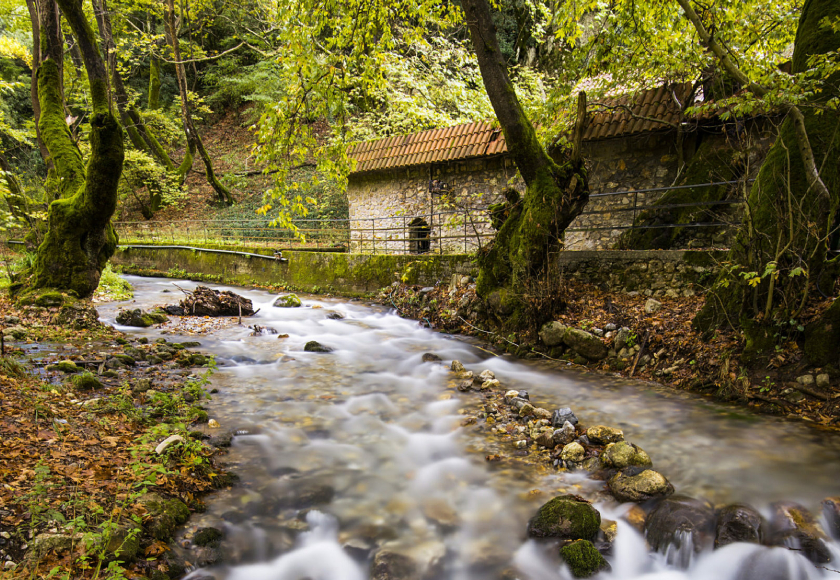
In addition to the slopes of Mount Helmos, the murmuring waters and the centuries-old plane trees, the village of Planitero, located at an altitude of 700 meters, is surrounded by a magical aura.
A short walk through its dense forest is enough to feel it. Cross small wooden bridges alongside the Aroanios River.
Once, its waters powered watermills, and today, their few remains still enchant passersby.
The area is part of the Natura 2000 network and belongs to the "Mount Helmos and Waters of Styx" Geopark, and it’s no wonder no one can decide which season here is the most beautiful!
Tips
- If you are a fan of unique flavors, we recommend trying trout sautéed with fresh butter and almonds!
However, the village of Planitero is also closely associated with trout and good food.
Smoked, baked, wrapped in parchment paper or grilled, trout is not only a staple dish in the local taverns but also the main reason many visitors come. There are two trout farms where you can also see how the fish is caught, making the beautiful Planitero one of the most popular year-round destinations.
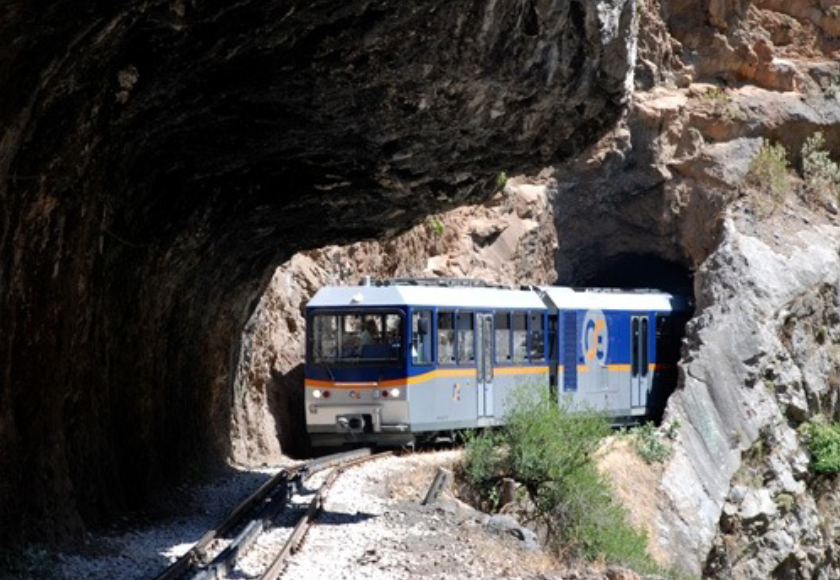
Odontotos Rack Railway – Diakopto
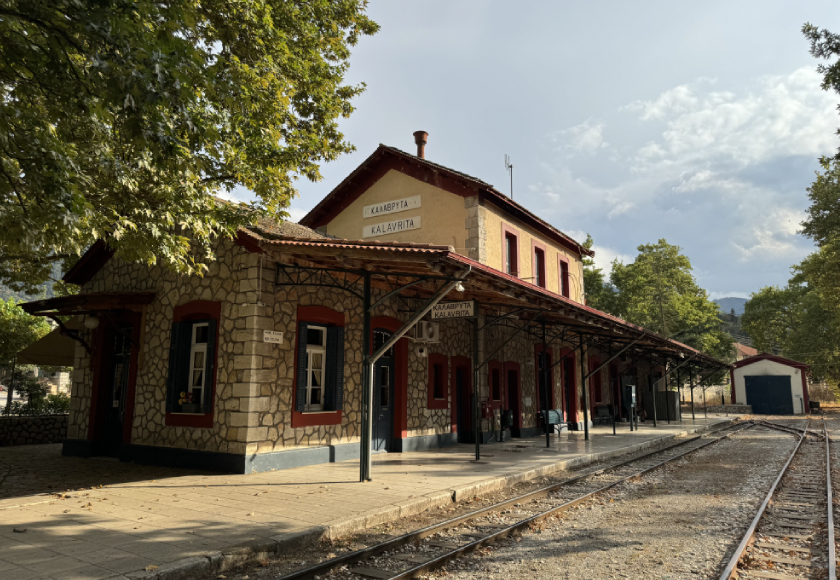
The legendary train got on track on March 10, 1896, and has many reasons to stand out.
It is the narrowest railway line in Greece, and perhaps the most beautiful.
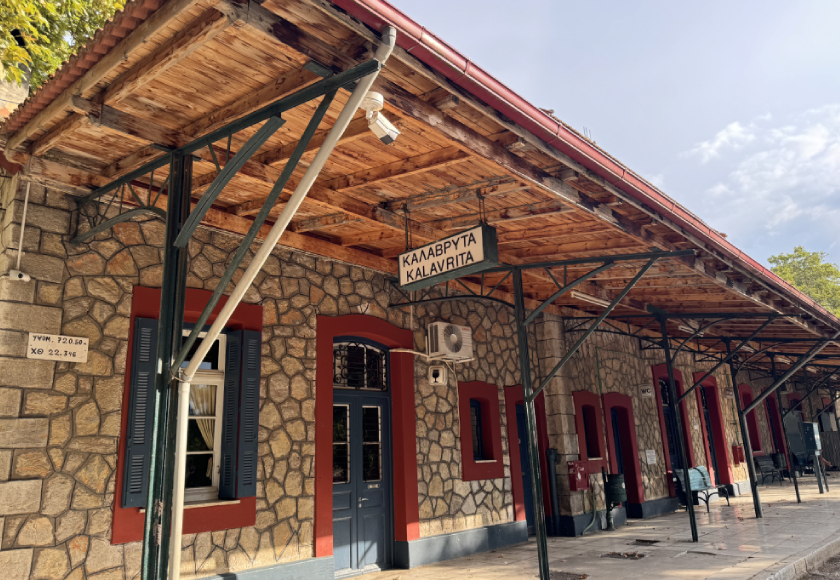
Starting from Kalavryta, it crosses the Vouraikos Gorge, passing over small and large waterfalls, and ends in the seaside town of Diakopto — or vice versa.
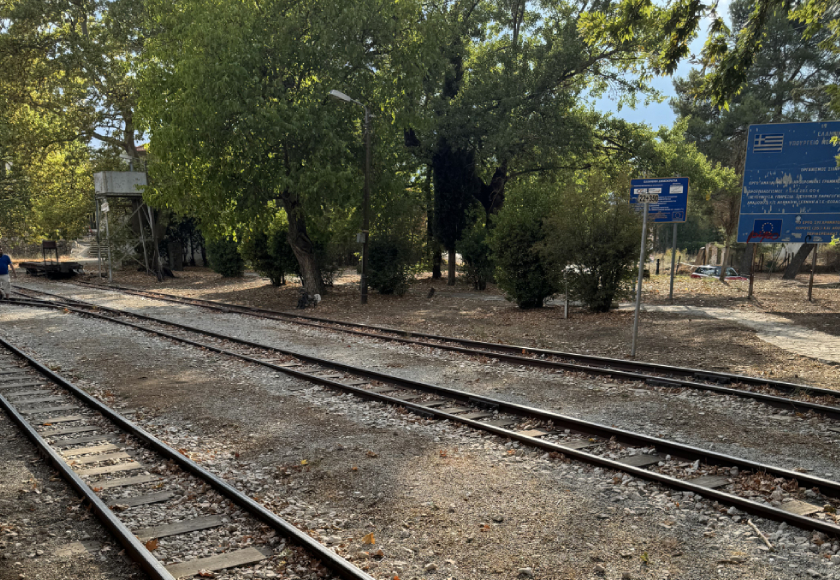
Passing over stone bridges and through tunnels carved into the rock, the route features an impressive incline that reaches up to 18% in some sections! Forget straight lines!
The small and agile train follows the steep terrain, and at every turn it feels as if it’s on the edge of a cliff, while at the same time brushing right past the rock face.
Covering 22 km and lasting one hour, the route includes stops at the locations of Niamata and Triklia, while about halfway through the route it stops at Kato Zachlorou, serving visitors to the Monastery of Mega Spilaio. Α magical journey through lush nature, also ideal for easy hiking along the tracks.
Tips
- No ticket reservation is required; however, it is available at here, as well as through the app. Especially if you are traveling in a group, it is essential to get your tickets in advance, as you may not find available seats!
- We handle bookings for personalized excursions at a low cost and offer special rates on accommodation, food, and entertainment. We also provide organized one-day trips, such as "The Chelmos Tour," for up to 12 people.
Contact us for more details!
- For any changes in information (contact numbers, operating hours, etc.) regarding our partners, without prior notification from them, Lake2lake is NOT responsible.