

Cultural
Suitable for 3 days with accommodation in Sinevro
or in Ampelokipoi and Kalavrita
- Ancient Theatre of Egira
- Mavrospilia (Black cave), Monastiri
- Holy Monastery of the Dormition of the Virgin Mary (Panagia), Monastiri
- Seliana Primary School
- Monastery of the Holy Apostles in Seliana
- Area Synest - Folklore Museum in Sinevro
- Monastery of Saint Basil in Ampelokipoi
- Akrata
- Agridi, Egialia
- Monastery of Panagia Katafygion near Halkianika
- Solos
- Golfo's Fountain
- Relax at Tsivlou Lake
- Mega Spilaio
- Holocaust Museum in Kalavryta
- Monastery of Agia Lavra
All Our Routes
- They are designed with a focus on Tsivlou Lake and are multi-day trips, except for the second one (Budget Young).
- They explore the mountainous line of the Achaia region.
- They start from Athens. For travelers with a different starting point, the mileage distances do not apply.
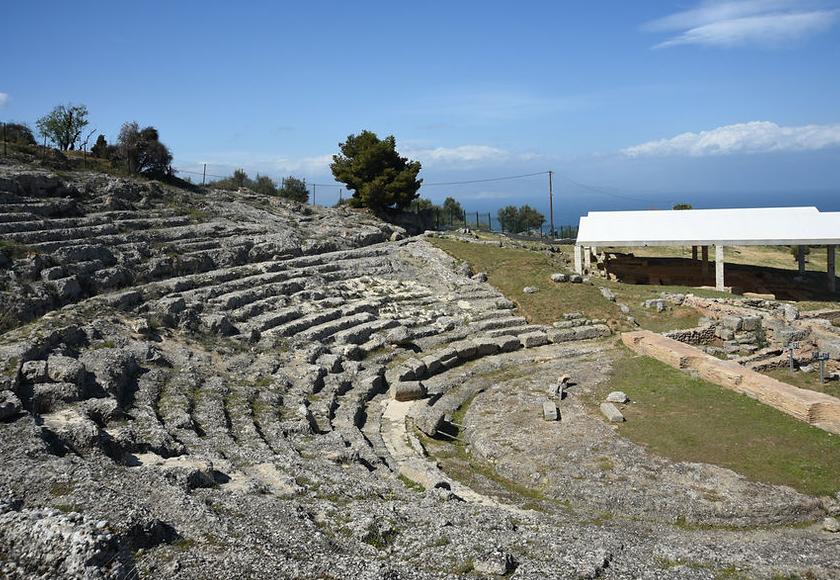
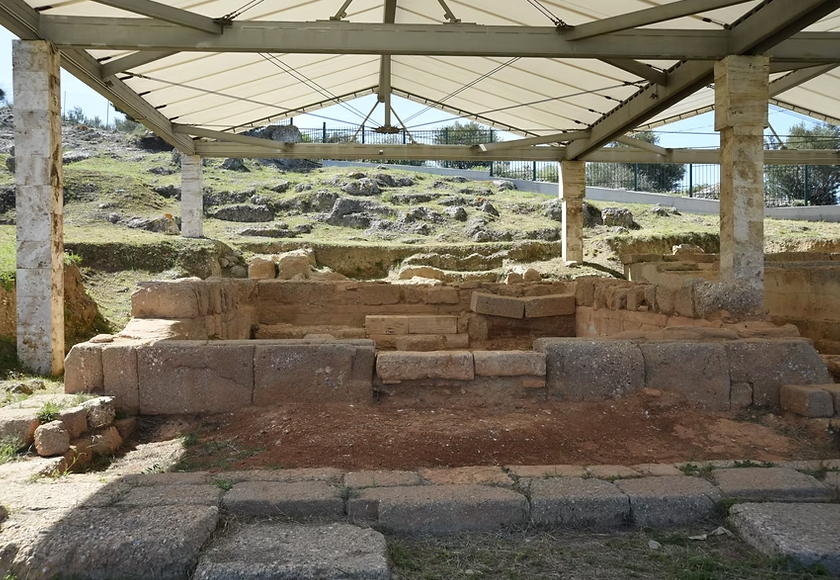
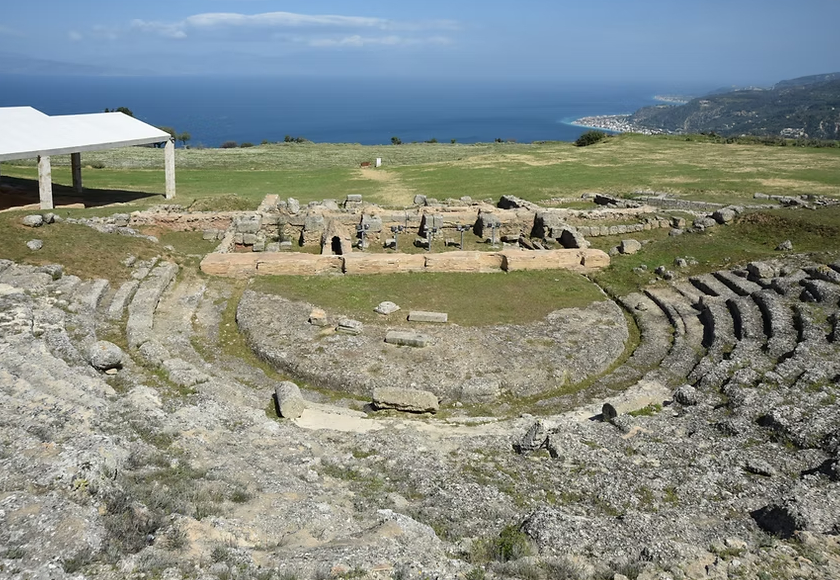
Ancient Theater of Egira
Carved into a rugged rocky landscape with sparse vegetation, the ancient theater of Egira literally dominates the surroundings.
It is worth visiting at any time of the year, as its appearance changes with the colors of the vegetation in every season.
In front of the spectator, the Corinthian Gulf stretches out like a backdrop to the stage, giving the theater a unique atmosphere accompanied by the sound of the waves.
In fact, when the atmosphere is clear, the opposite shore of Central Greece can be seen.
The sources say that it was perhaps the most magnificent building of Ancient Egeira and the surrounding area, testament to its former glory.
It dates back to the 3rd century BC and was in use until the 3rd century AD. A visit, even a brief one, offers a glimpse into the past, as remnants of Roman interventions are still visible.
Today, the theater is once again in use, but not in its bleachers, which once hosted 3,000 people!
On summer nights, excellent performances are held as part of the Municipality of Egialia's festival, as well as music nights under the full moon's light.
Tips
- The best time to visit is when the atmosphere is clear – the view of the Corinthian Gulf and Central Greece is breathtaking!
- If you can, visit in the summer for a unique experience: performances and music nights under the full moon, set in an ancient backdrop!
Monastiri
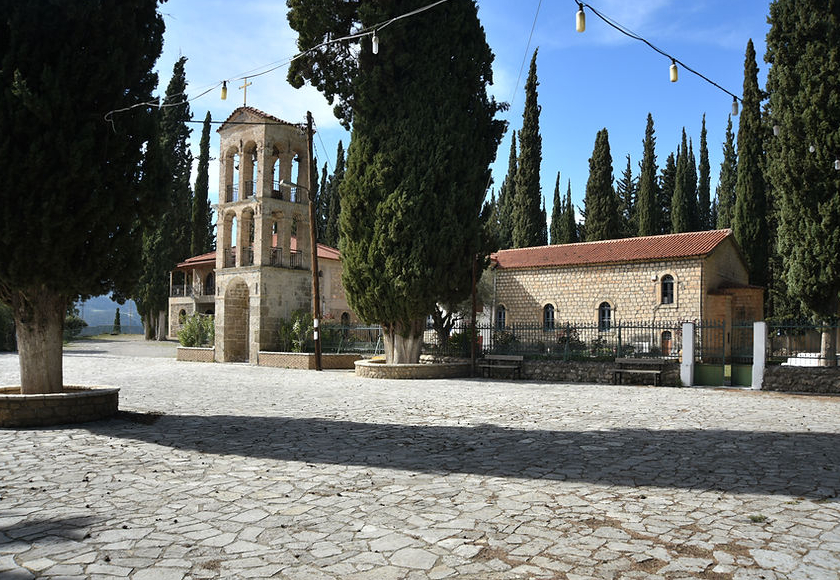
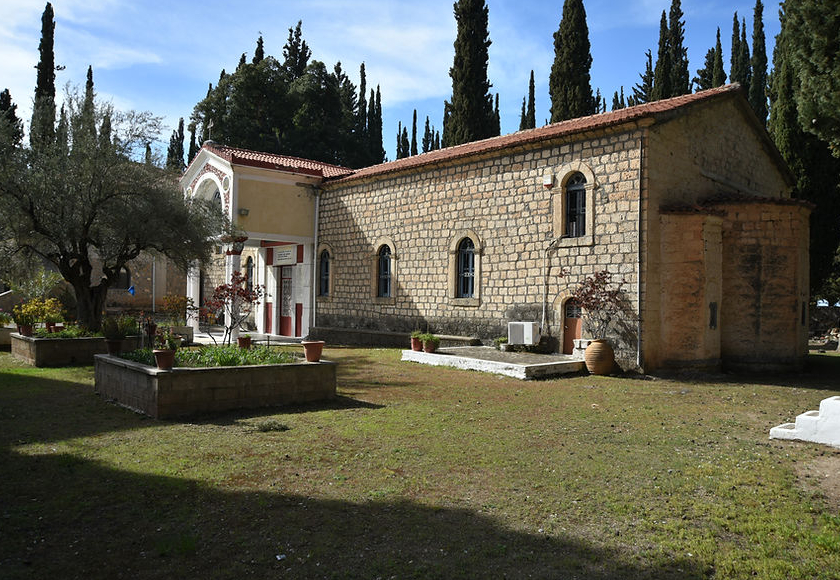
Known also as "Vergouvitsa" - a name of Slavic origin due to the settlement of Slavs in the area - the village of Monastery is situated at an altitude of 627 meters and is 15 kilometers from the sea.
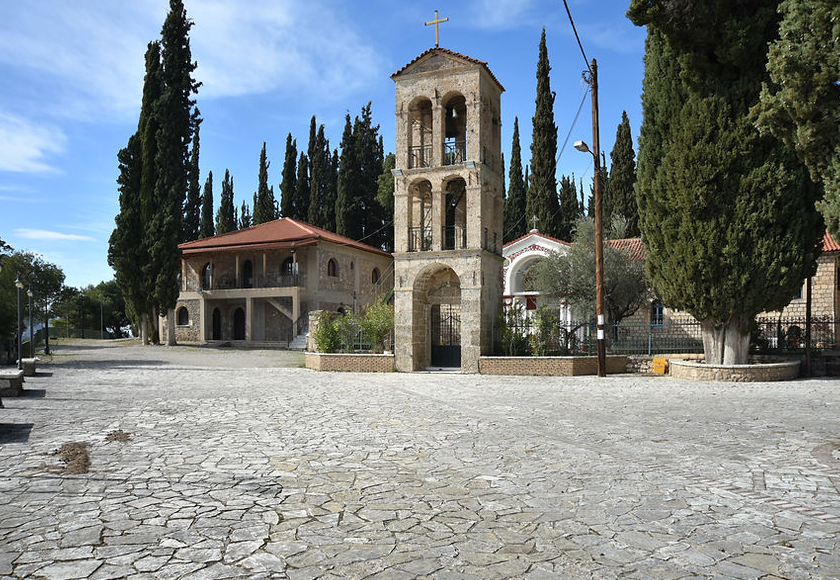
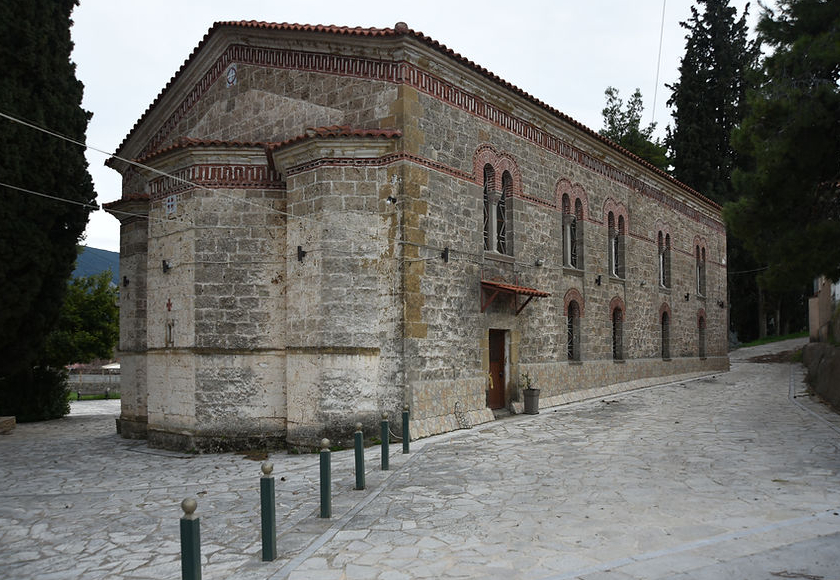
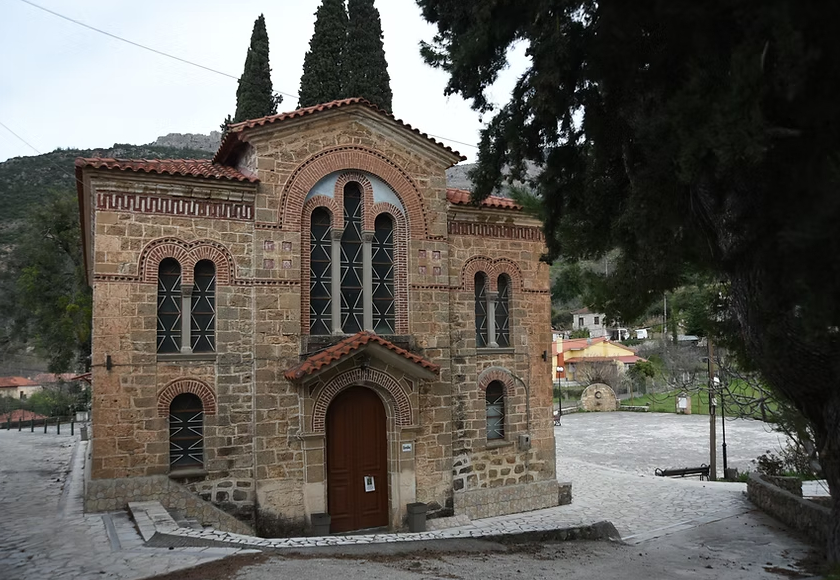
The Byzantine-style Church of the Assumption of the Virgin Mary, located at an altitude of 700 meters, is truly remarkable. It features a hand-carved wooden iconostasis and numerous frescoes by painters from Mount Athos.
Its tall bell tower reaches 6 meters in height!
Tips
- The village also features a traditional olive press. Visits can be arranged in advance with the owner, Christos Rozos. Call him at +30 6977431312.
Very close by is the Black Cave (Mavrospilia), a large cave that served as a refuge for the locals during Turkish raids.
It was named after the black color of its ceiling, as those who took refuge there would light fires to survive.
Seliana
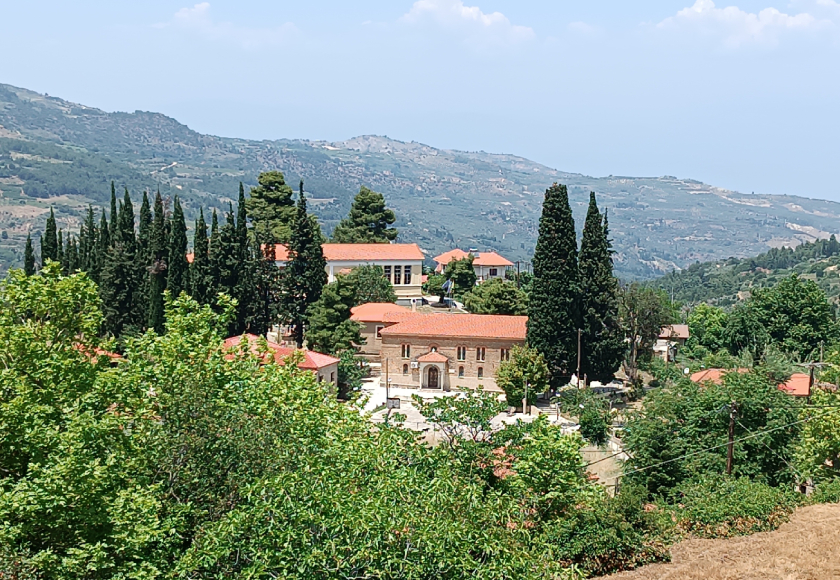
Seliana is located in the mountainous region of Egeira, in Egialia, Achaia, at an altitude of 750 meters, near the border with Corinthia.
Its ancient name, *Phelloe*, foretells a lyrical, lush and fertile landscape. Cherry, apple, and pear trees thrive alongside centuries-old plane trees and fountains with fresh water from the Kryos River, which is adorned by a historic single-arched stone bridge.
This small village, with its many preserved stone houses and well-kept gardens, boasts a rich history dating back to 3000 BC, as evidenced by archaeological finds now exhibited in Aigio.
Today, it has about 60 permanent residents—mainly people from around the world who left city life behind and settled here, breathing new life into the area.
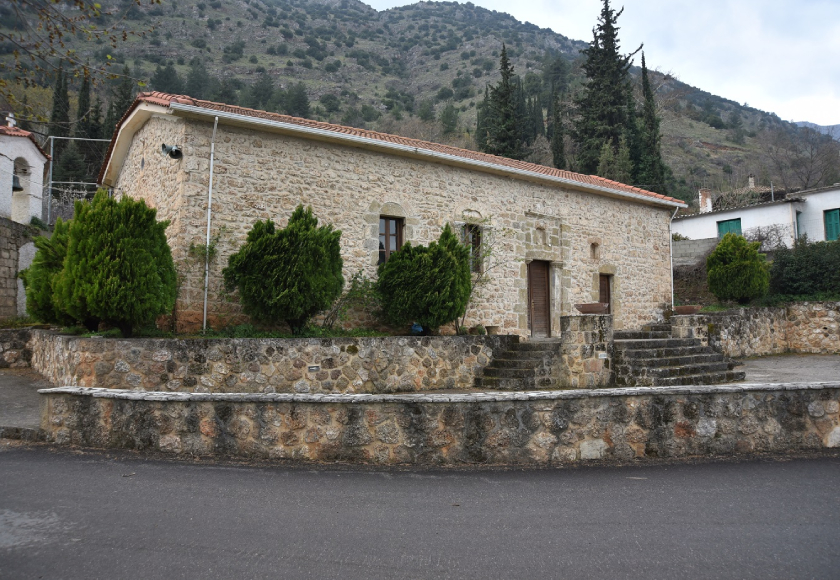
The village’s landmarks include the Primary School, a 1904 donation from Andreas Syngros, now designated as a preserved monument, and the Monastery of the Holy Apostles, a Byzantine-style structure dating back to 1743, renowned for its impressive frescoes and intricately carved wooden iconostasis.
Follow the trail leading to the waterfall of the Kryos River. Though the hike is demanding, it’s well worth it—the landscape is idyllic: a natural pool forms among smooth, rounded rocks, perfect for a dip if you can brave the icy waters!
Tips
- The waterfalls are not recommended for young children or individuals with limited mobility due to the steep and challenging ascent and descent.
Αrea Synest
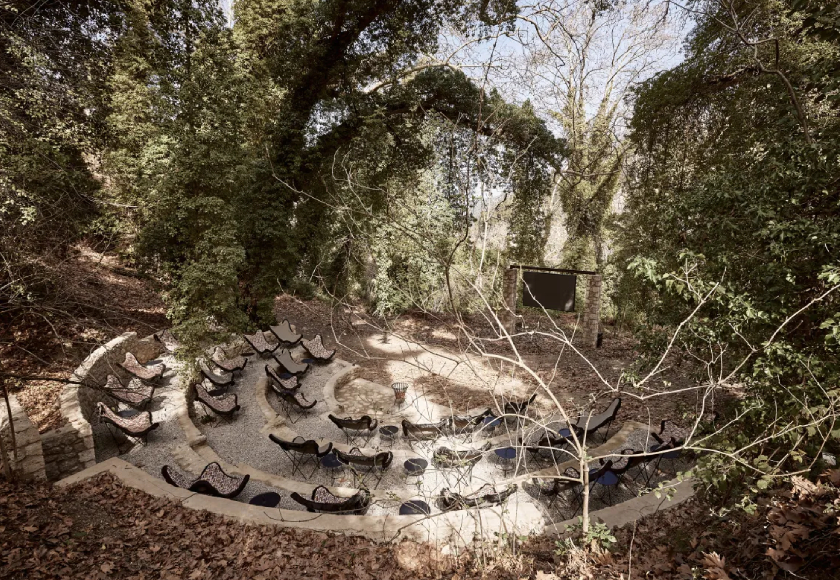
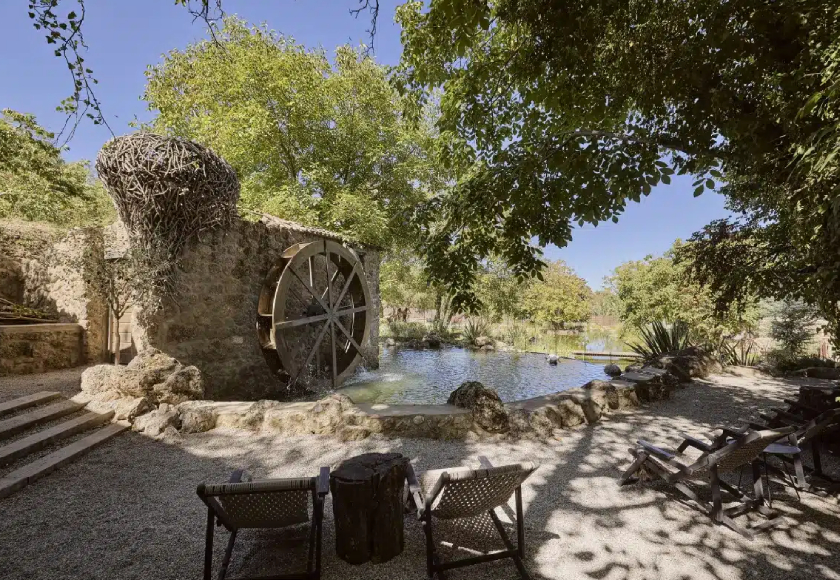
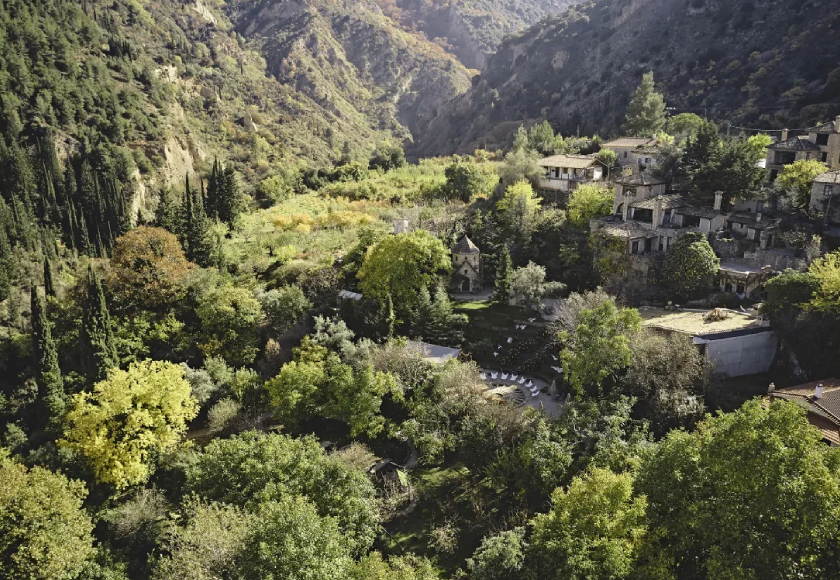
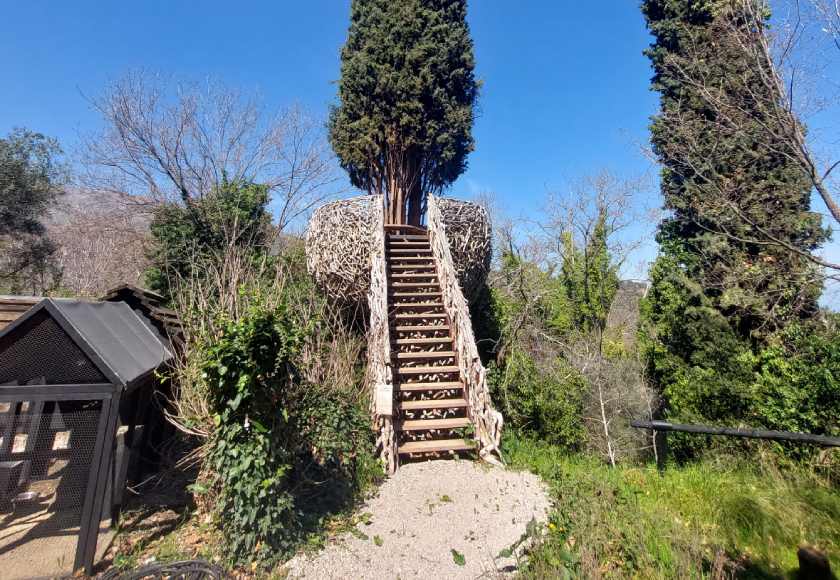
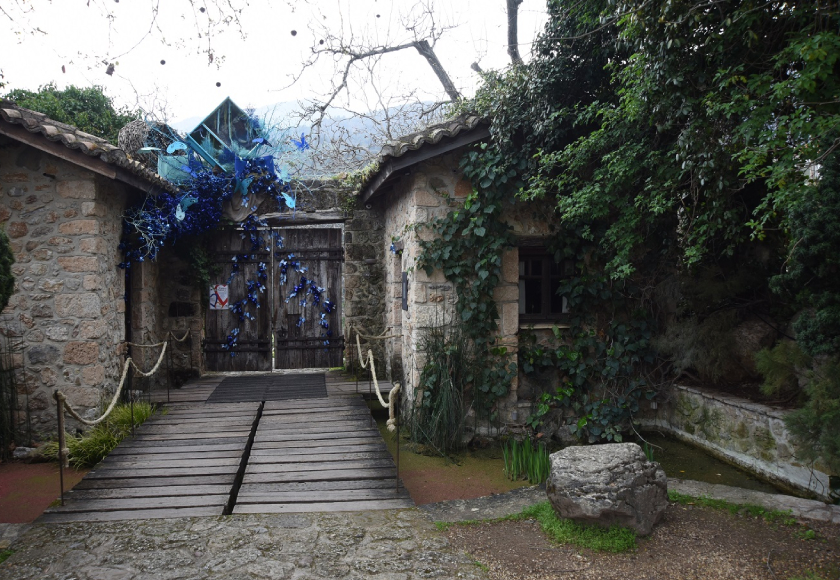
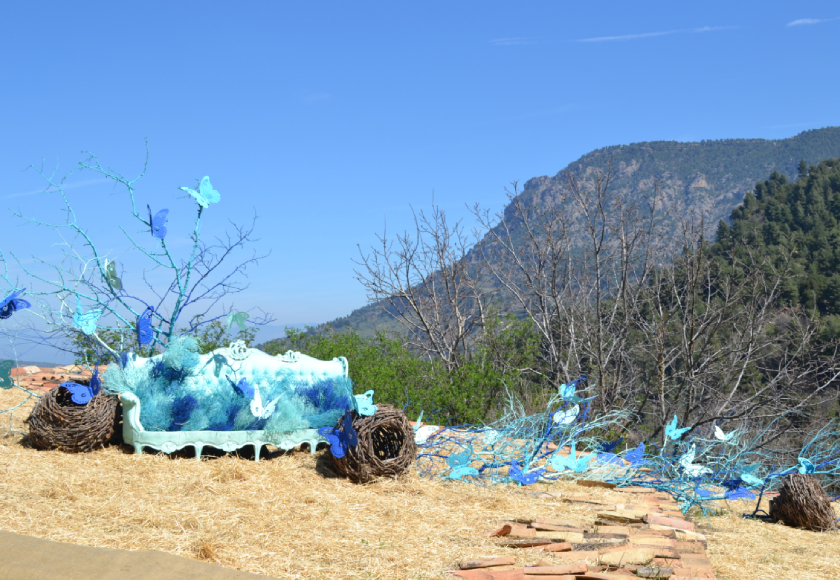
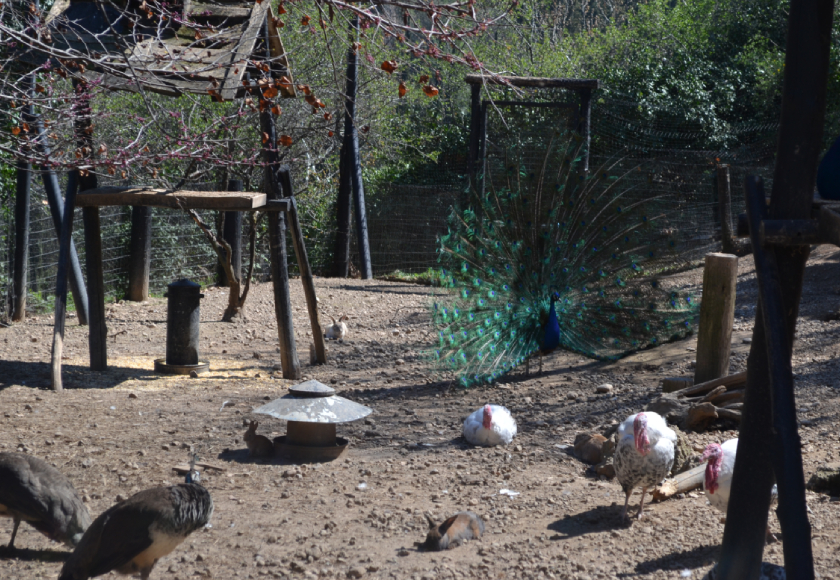
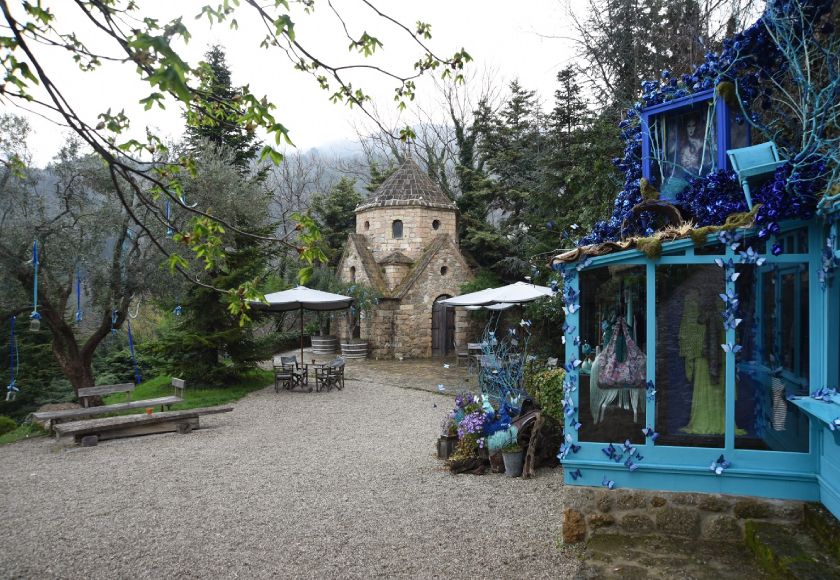
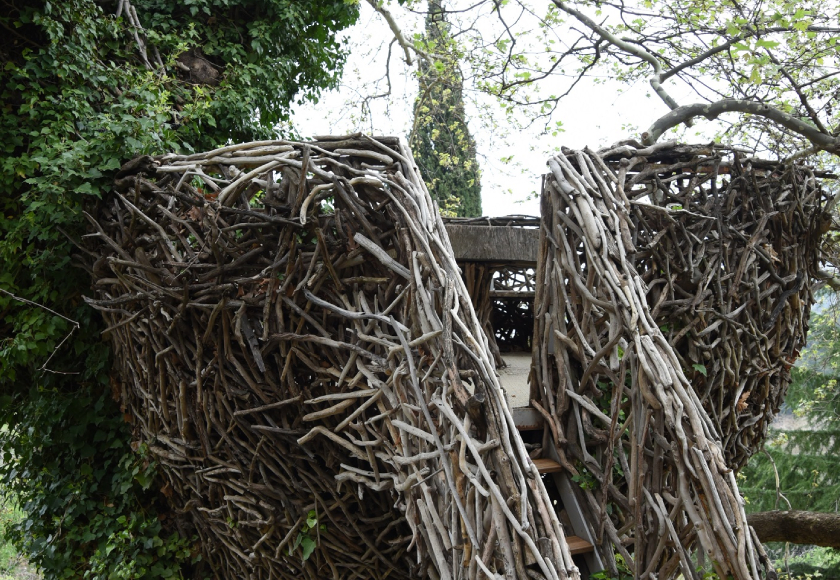
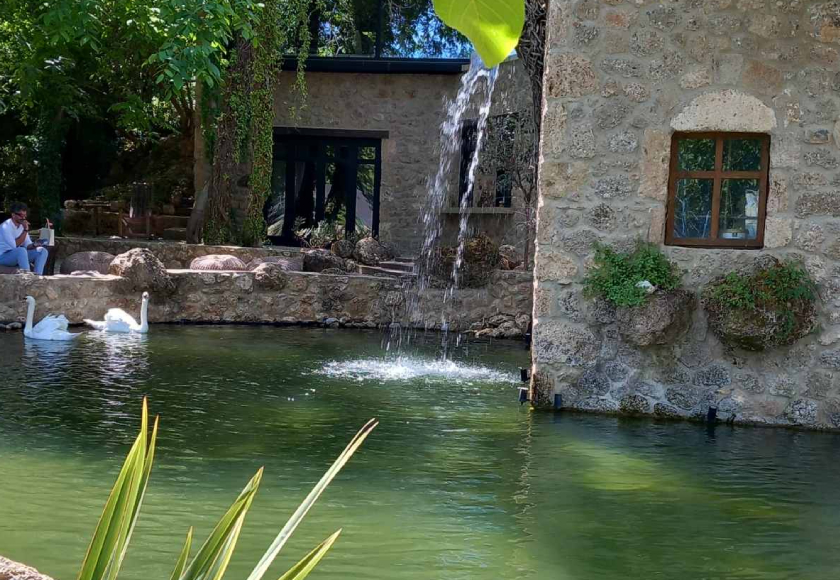
Giving the impression that it has sprung out of a fairy tale, the thematic park in Sinevro, near Seliana, will amaze you. It feels as if it transports you through time while also placing you inside an old Greek fairy tale.
Even the rooms seem to have a touch of the fairy world. The beautiful nature, as well as activities like archery, and countless other suggestions, create a fantastic vacation package.
Tips
- The area is open to visitors only on weekends and holidays, from 11:00 to 19:00, and not year-round
- For more information, click here
Ampelokipoi
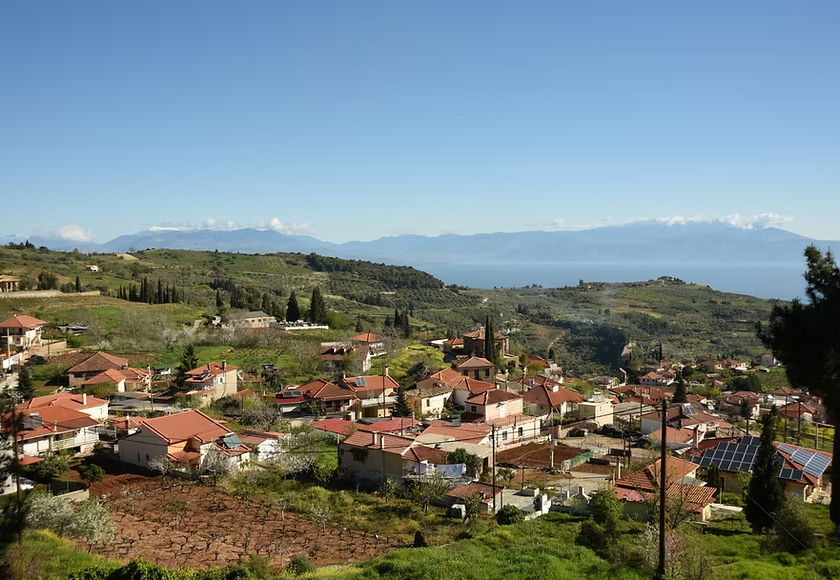
The most populated village in the mountainous region of Eastern Egialia, known for its history and tradition in viticulture.
After all, its name derives from that very connection, changing from the Slavic "Arfará" to its current form. It was here, along with nearby Agridi, that the first shots of the Revolution were fired, marked by the killing of Mullah Yakub and his escort.
The active cultural association has been organizing the Wine Festival for decades at the end of August, in the beautiful grove where you're sure to enjoy more than just one glass.
The lush vegetation that characterizes the area, along with the view of the vineyards, creates a truly picturesque landscape.
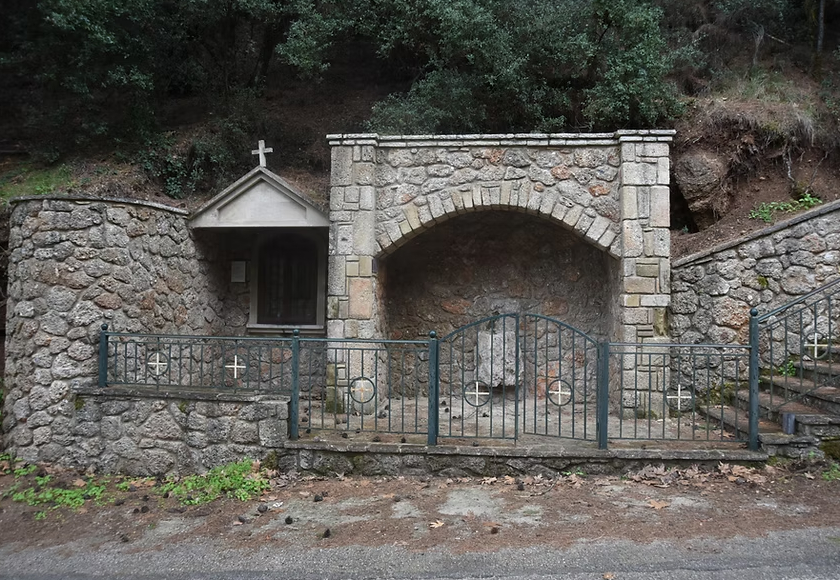
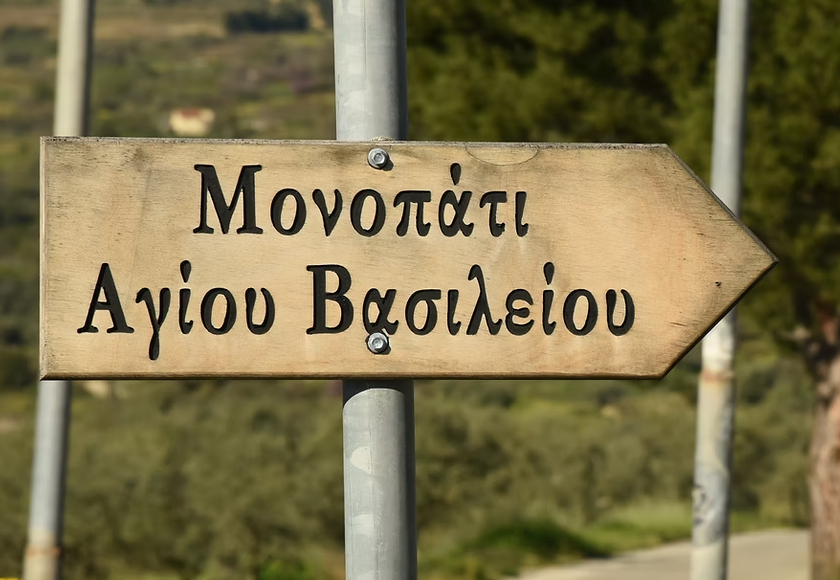
A bit higher than the settlement of Ampelokipoi, at an altitude of 750 meters, lies the Monastery of Saint Basil. Built of stone, with simple architecture and almost "wedged" into the rock, it is truly impressive.
It is approached through a shaded path and was for centuries part of the trail that connected Arfara with Zarouchla for the transportation of goods.
Regarding its history and role in the local community, written records are few.
It is said that during the Ottoman period, it functioned as a secret school and played its part in the struggle for liberation.
Tips
- The Monastery opens its gates once a year, on the second day of Easter, when an event is held in its courtyard
Αkrata
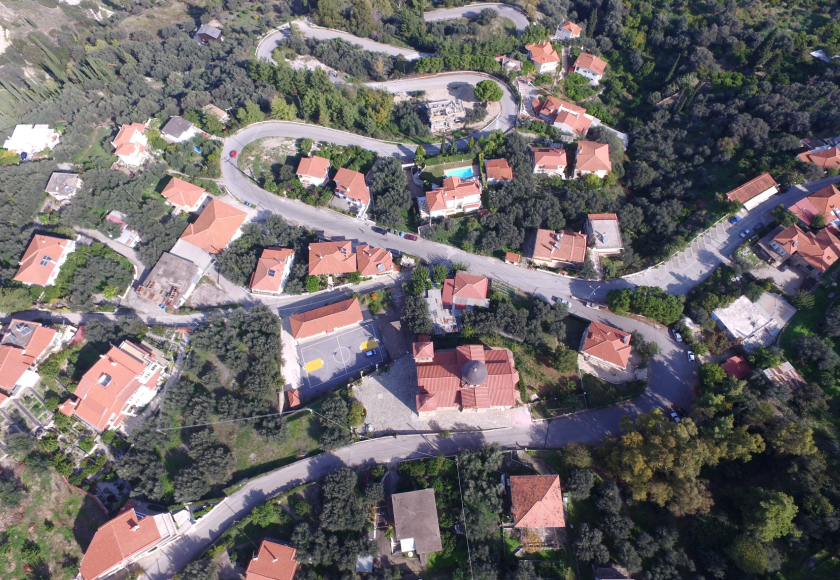
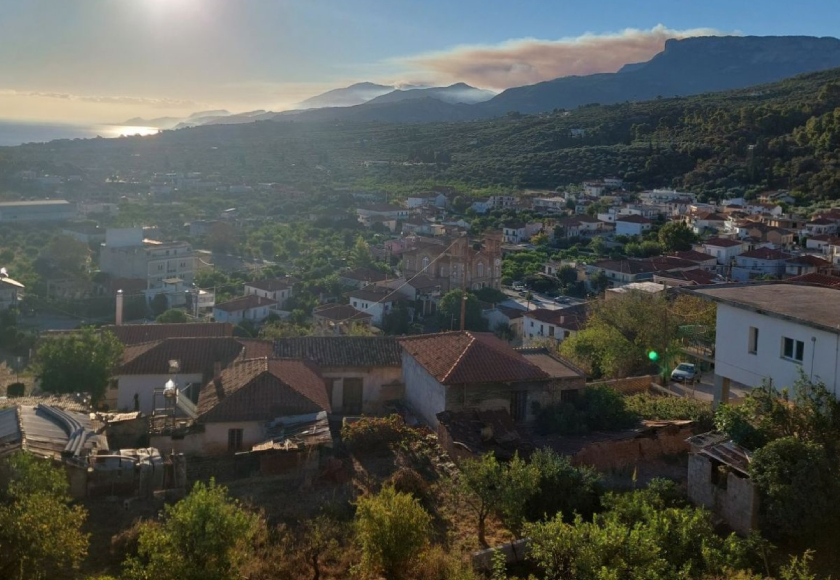
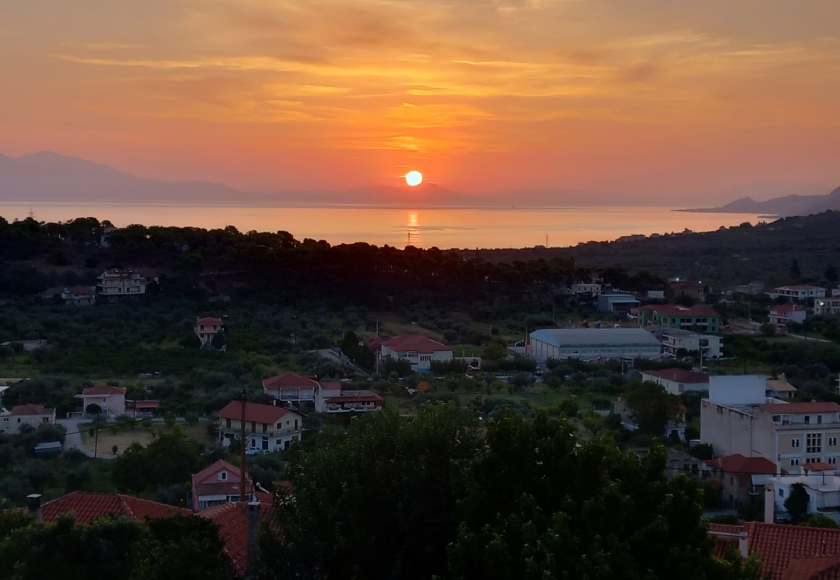
Akrata is a particularly beautiful semi-mountainous town, built on the shores of the Corinthian Gulf, approximately 150 km from Athens.
In its wider region, semi-mountainous settlements and hamlets have developed, known by the locals as "Ano Akrata."
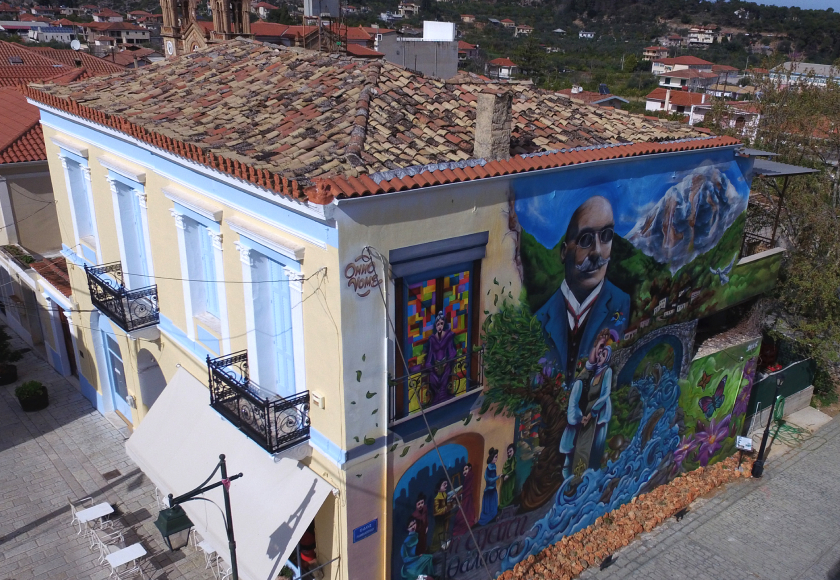
The entire history and culture of the area are depicted in the mural that adorns the building of the Akrata Municipal Art Gallery “Zoi Psarrou,” located at Eleftherias Square, which hosts artworks by renowned Greek visual artists.
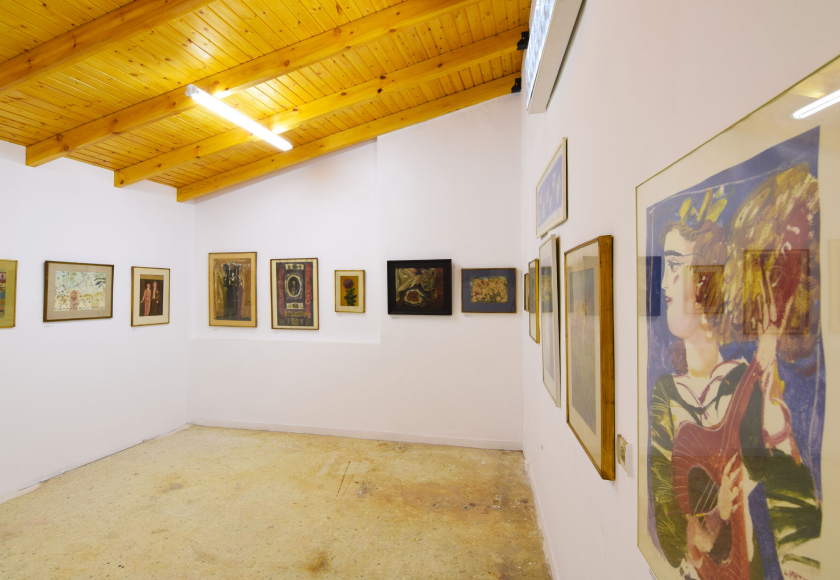
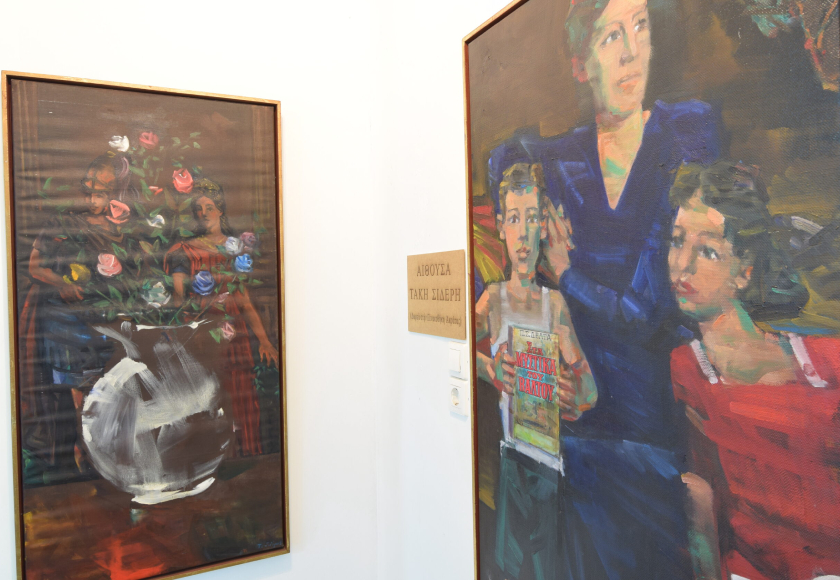
Tips
- Rent a car to explore the surrounding mountain villages
- The cultural association "Anagennisis" of Akrata organizes dozens of events, while the Philharmonic captivates both young and old with its performances. To stay updated on upcoming events, follow their page on Facebook
Akrata combines mountain and sea, with the slopes of Mount Helmos as a backdrop and a view of the Corinthian Gulf.
In the area, you'll find neoclassical houses, picturesque churches, traditional coffee shops, and a folklore museum.
The Krathis River brings life to the region and also gives its name to Akrata and the wider Krathida area.
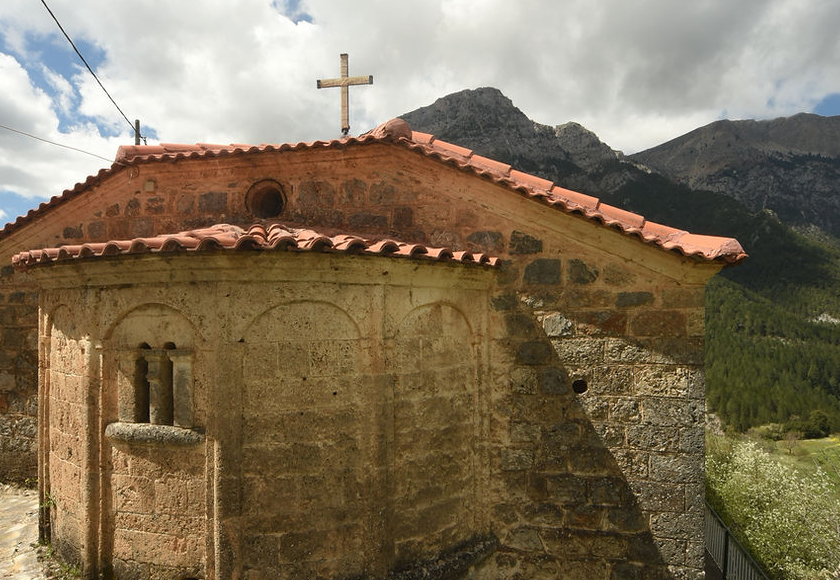
Agridi of Egialia
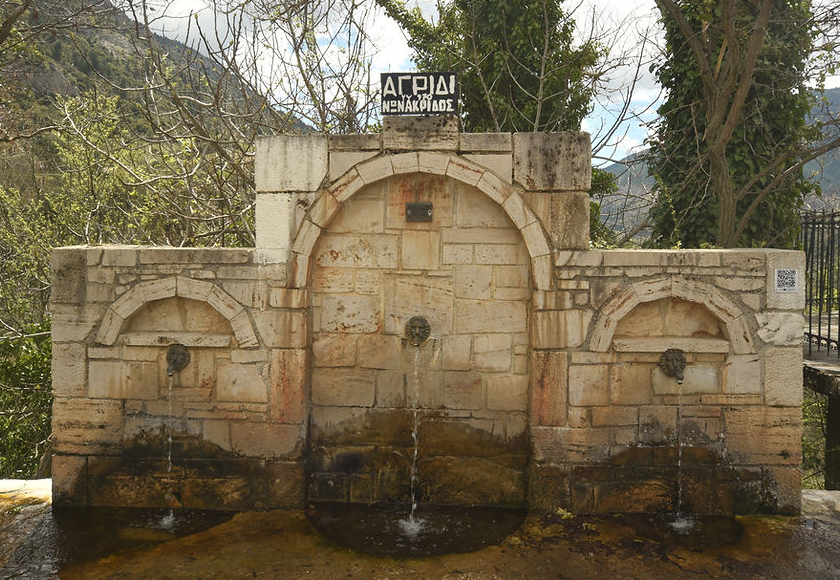
Agridion," meaning small field! It is built at an altitude of 945 meters in a secluded area, hidden among chestnut trees and lush vegetation. It is one of the eight villages known as "Kloukinohoria," "Kloukinis," or "Villages of Nonakridos." It is believed that the first gunshots of the revolution were fired here on March 14, 1821 (almost simultaneously with the assassination of Mullah Yaqoob and his entourage in Arfara, following a Greek wedding in Vergouvitsa), when Nikolaos Christodoulou (or Soliotis), along with Anagnostis Kordis and other "klephts," set an ambush at the location "Portes" near Agridi and attacked the couriers who were transporting letters to Turkish officials.
Tips
- The main church of the village is dedicated to the Deposit of the Holy Belt of the Virgin Mary (1834) and celebrates on August 31st with a very nice festival
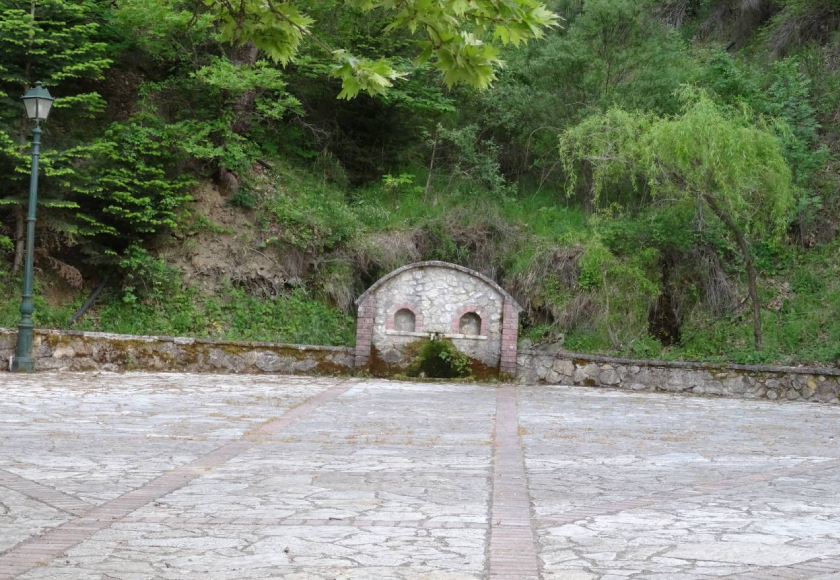
- Be careful not to confuse it on the map with Agridi of Kalavrita! Right on the main road, there is a stone fountain with fresh water, where you can refill your bottles!
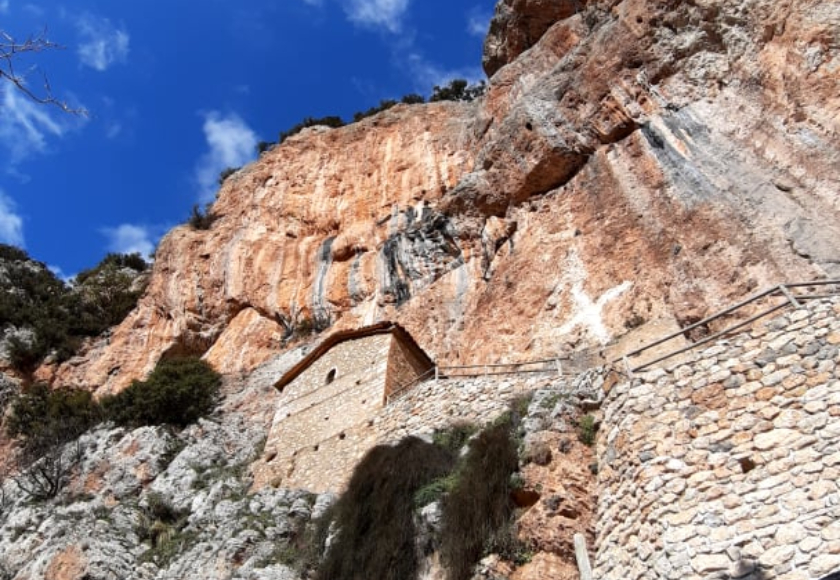
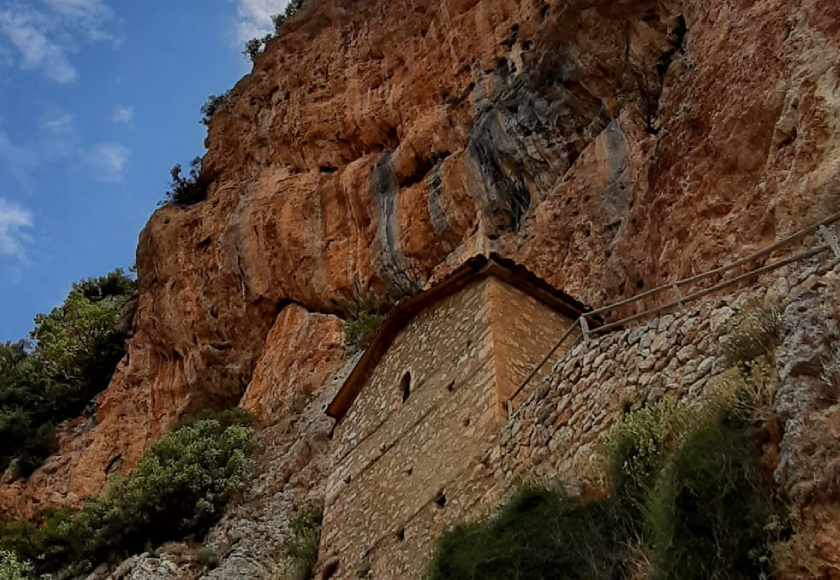
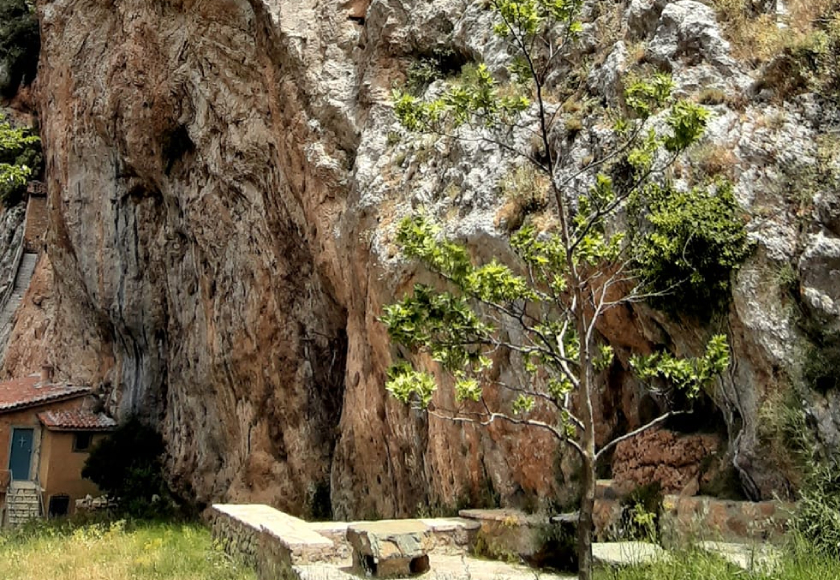
Monastery of Panagia of Kataphygia
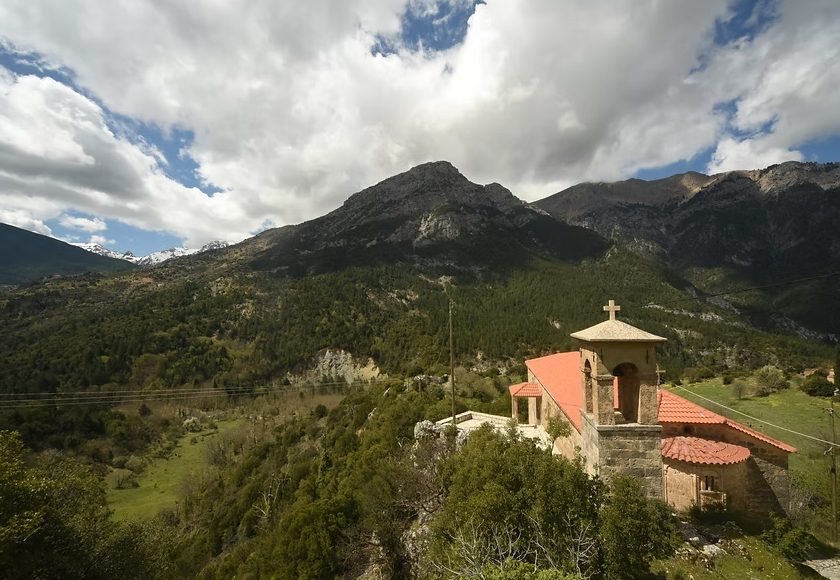
Near the village of Halkianika, with its few inhabitants, lies the female monastery "Panagia of Kataphygia" or "Holy Belt".
Opposite the slopes of Mount Chelmos, at an altitude of 1,100 meters, carved into a high and steep rock, it barely stands out from the landscape.
It was named after the many caves surrounding it, which served as an ideal refuge for the locals during the Liberation Struggle of 1821.
Tips
- On the map, you will find it listed as Moni Kataphygiou or Katathesion. Be careful not to confuse it with the "namesake" Monastery in the Corinthia region!
- It is worth visiting, even if only from the outside.
According to local tradition, it is said that here, in 1836, Kolokotronis met and fell in love with the nun Margarita Velissaropoulou, who gave him a son named after his deceased son, Pano.
However, the history of the Monastery dates back even further, as it was built in 1631, and its interior is adorned with 17th-century frescoes and a stone altar screen.
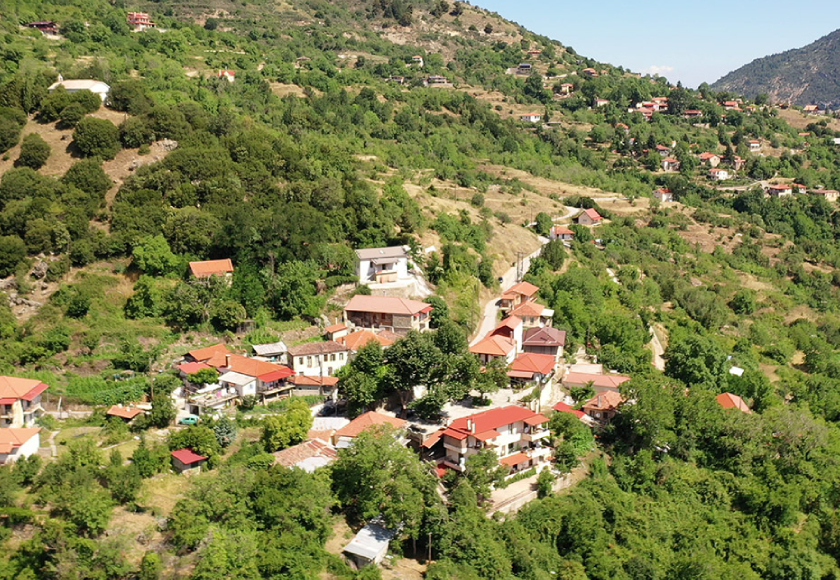
Solos
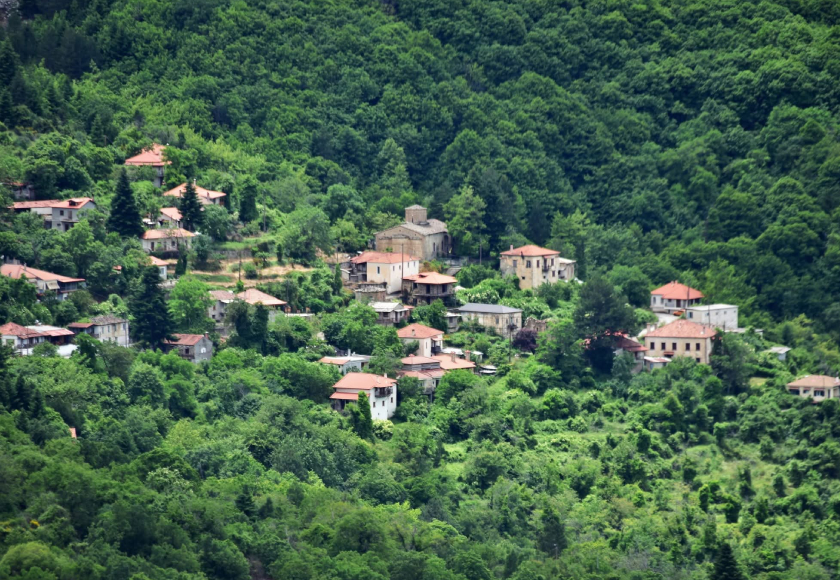
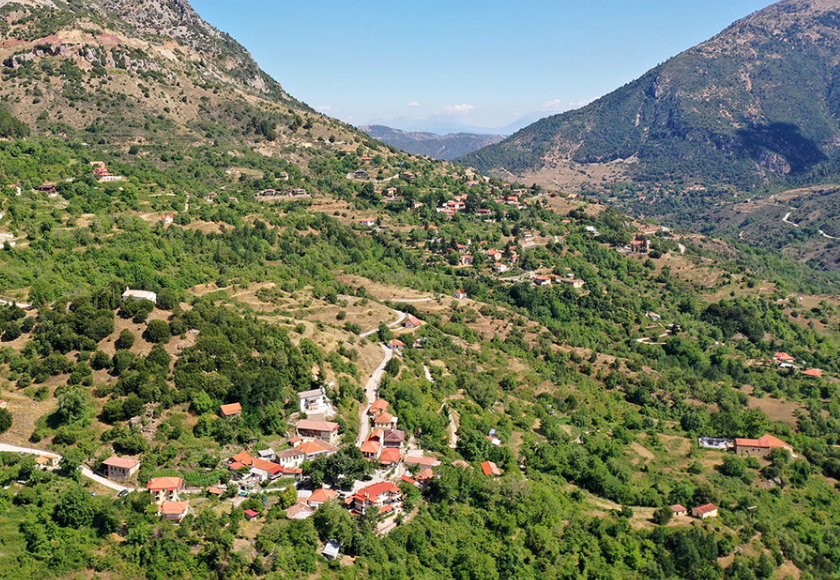
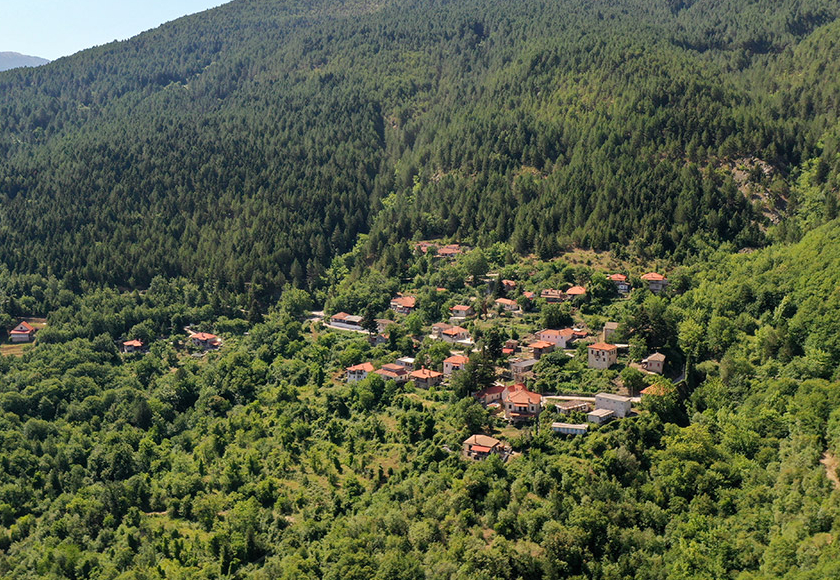
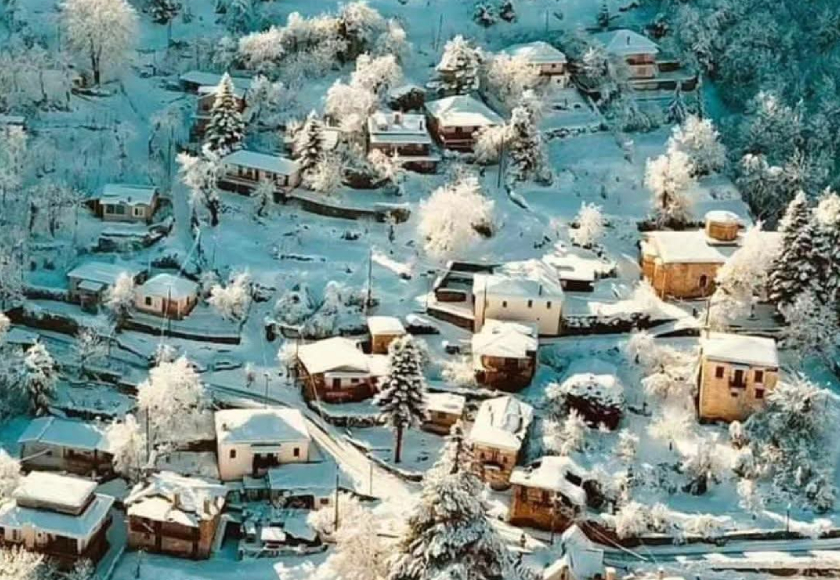
Built at an altitude of 1,050 meters on the slopes of the Aroania mountains, the village of Solos is one of the highest settlements in Achaia and offers stunning natural beauty.
For those in the know, it is considered the kingdom of mushrooms. Not only because in autumn its forest turns into a mushroom paradise, where some of the tastiest varieties and rare herbs grow, but also because of its famous mushroom-based cuisine.
Its one-of-a-kind taverna serves unforgettable specialties made from recipes passed down through generations, and is happy to share the secrets of the amanita and chestnut mushrooms that grow in the area.
The menu also features local meats, roasted chestnuts, and fine wine.
Here lies the mansion of chieftain Nikolaos Christodoulou, known as Soliotis, a key figure in the Greek War of Independence, which can be admired from the outside.
The building features distinct battlements and scalding openings in its architectural elements, though it is in need of restoration.
In front of it stands the Church of Saint George, built in 1806, with a locally crafted wooden iconostasis and an icon of the Virgin Mary, which was desecrated by Ibrahim Pasha, who slashed it with his sword.
From this point, a 2.5-hour hiking trail begins, leading to the Styx valley and its namesake waterfall.
Tips
- To visit the interior of the Church of Saint George, simply ask the owner of the village tavern to open it for you
- The suggested hike is suitable for experienced hikers. Otherwise, you can walk part of the trail and still enjoy the dense forest scenery
The Golfo's Fountain
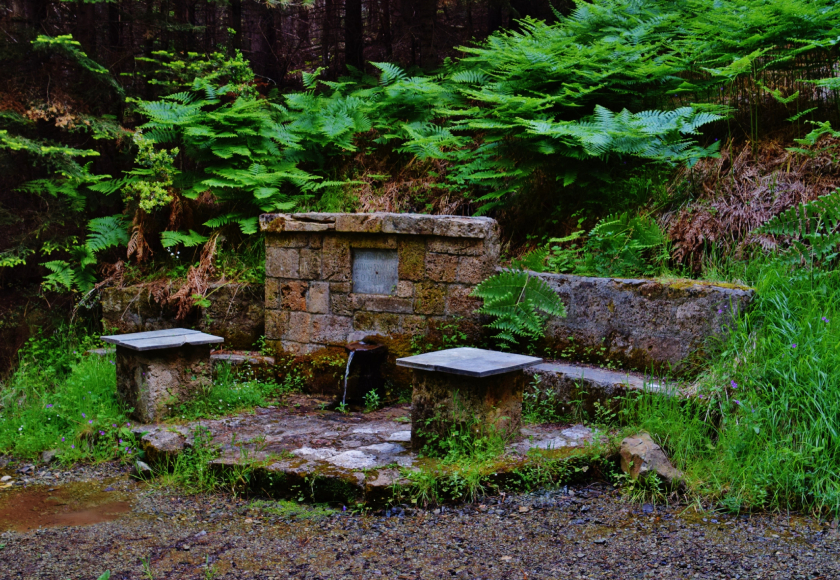
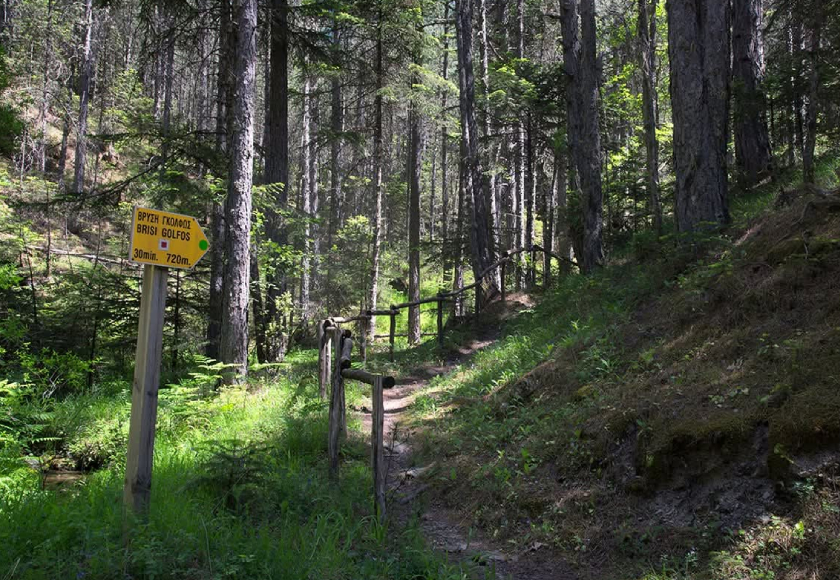
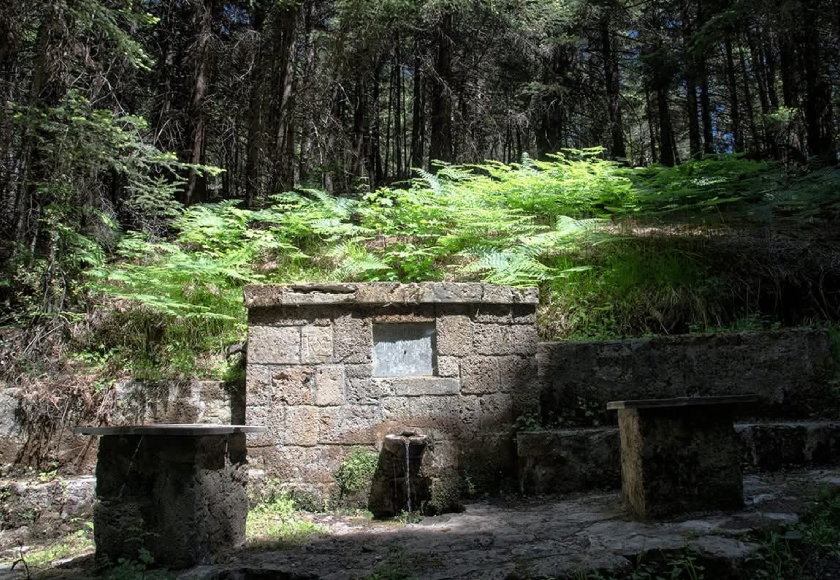
Just outside the village of Solos, next to the Krathis River, lies the "Fountain of Golfo." A real-life setting for a - likely fictional - pastoral drama featuring a young shepherdess in love and her beloved, Tasos.
The play, written by theatrical author Spyros Peresiadis in 1893, continues to be adapted in modern Greek theatre and remains beloved by literary audiences.
The stone-built fountain of Golfo, a silent witness to a love doomed by financial and social barriers, became famous thanks to the film of the same name, which was also the first known silent movie in Greek cinema history.
Tips
- The fountain is easily accessible by road. It is located in a dense forest, 4 km from the nearest inhabited area.
At the same time, it brought attention to the region and to the writer's birthplace, as he came from the nearby village of Mesorougi.
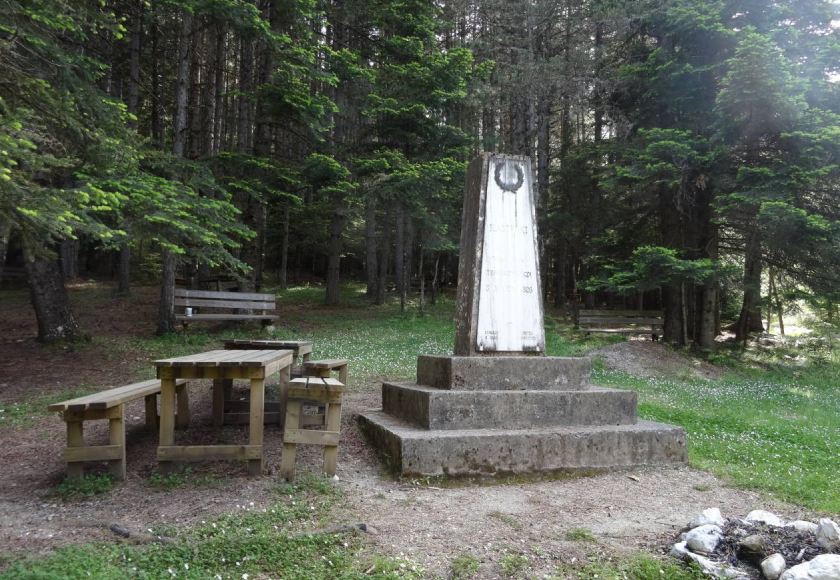
In today’s real world, the romantic fountain offers crystal-clear water, a stunning view of the forest, wooden picnic tables perfect for a break during your hike—or even a picnic—and, of course, an aura of eternal love!
Tsivlou Lake
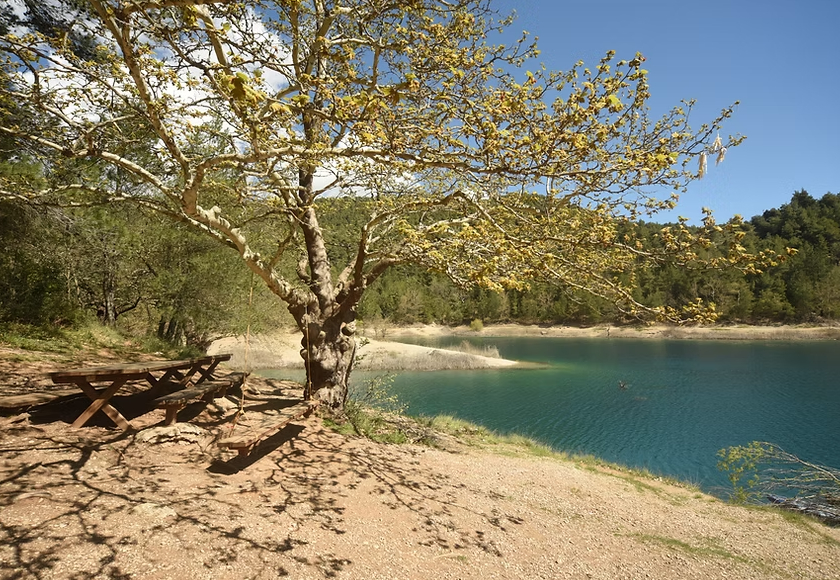
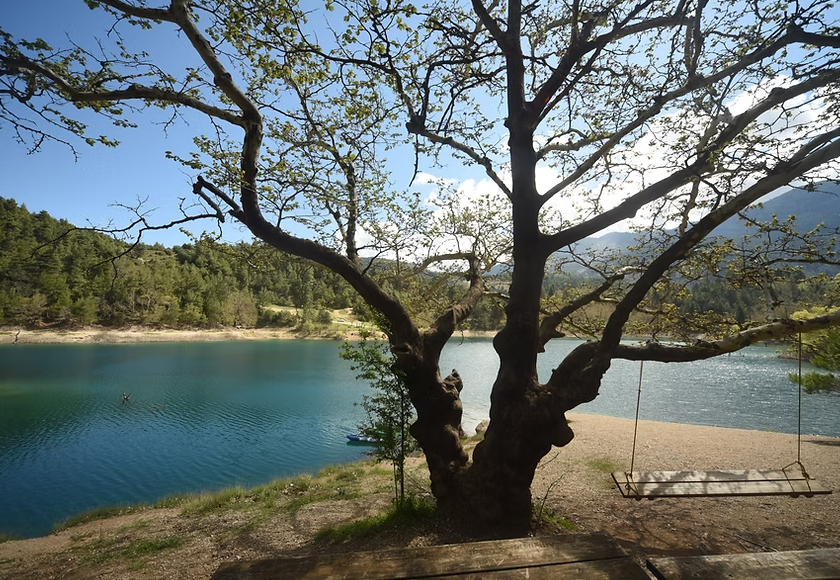
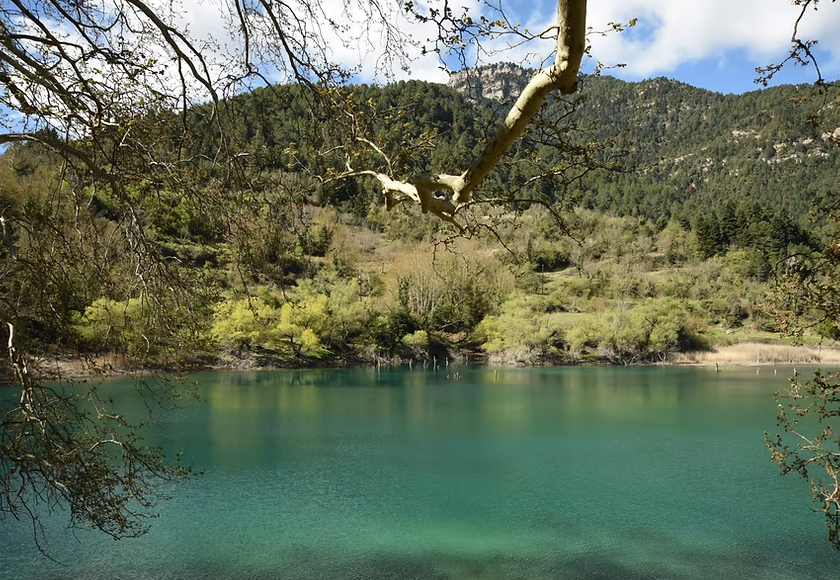
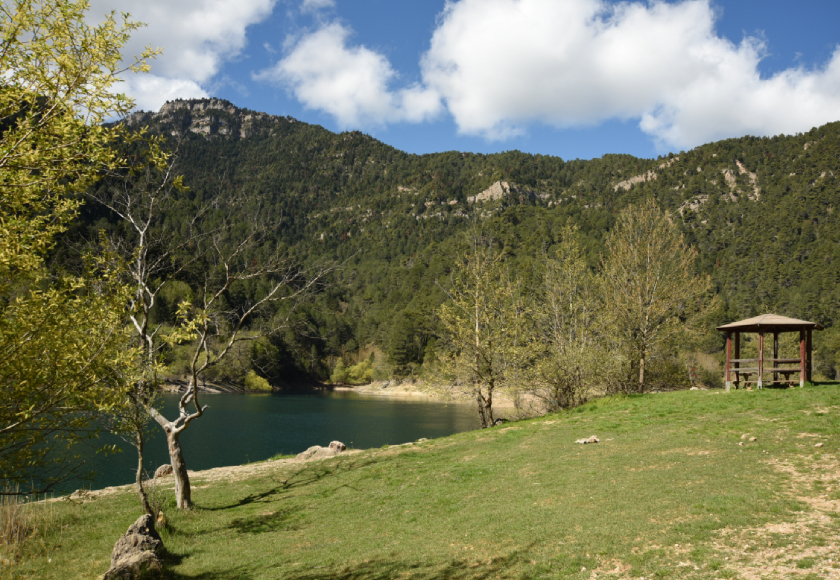
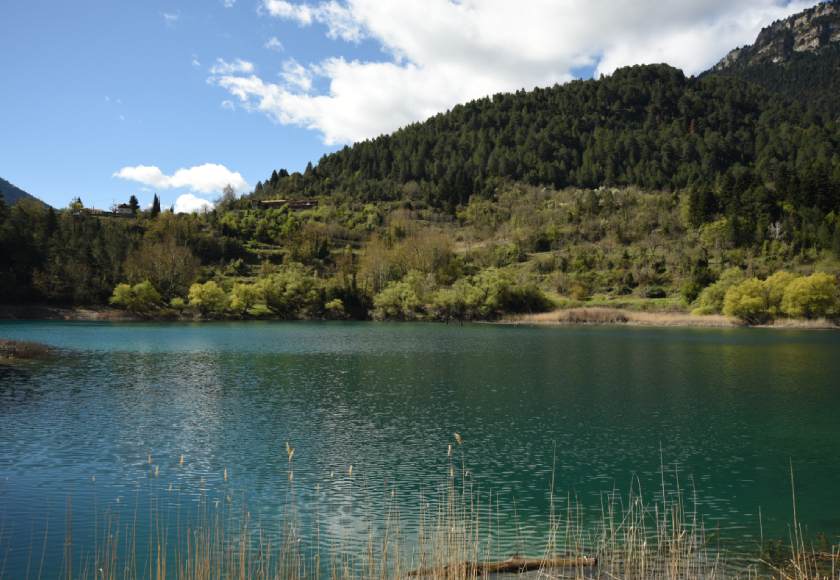
At an altitude of 800 meters, very close to Zarouchla, behind a dense forest, emerges a small natural wonder – Tsivlou Lake.
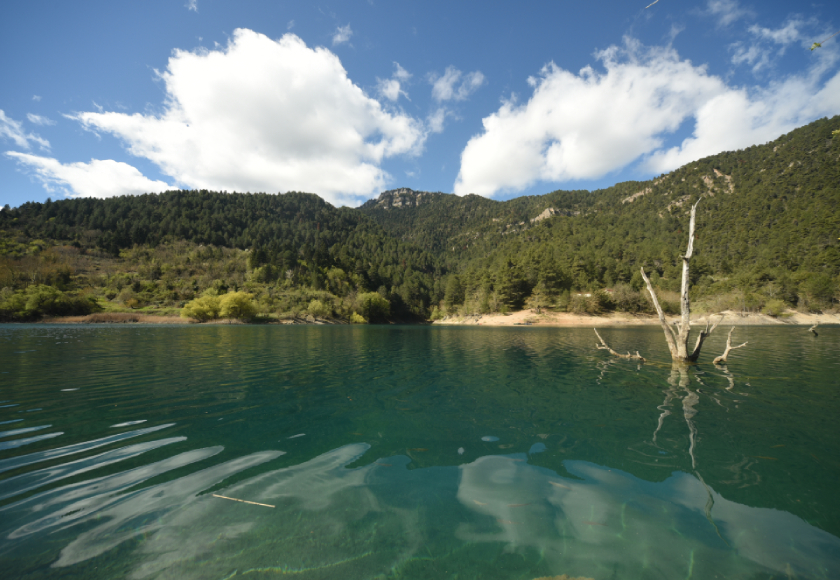
Its postcard-perfect beauty is the result of a violent landslide that occurred about a century ago, which blocked the Krathis River and swept away the village of Sylaivena, as well as part of the village of Tsivlou, which gave the lake its name.
Daring divers claim that the remains of the lost settlement are still there, and when the water level drops, the tops of the bell towers and the roofs of the houses are still visible. Others say that at night, they are illuminated by the light of the moon.
Today, it is a small watery paradise with serene turquoise waters, reflecting black pines, oaks, chestnuts, and fir trees.
Camp, fish, go canoeing or mountain biking, or simply relax with a refreshing swim and meditation, with a view of the slopes of Mount Helmos.
Tips
- Warning, the shores change depending on the climatic conditions!
- In the autumn, the Lake Circuit is organized, with hiking routes of 2 and 5.5 km for the more experienced!
Mega Spilaio
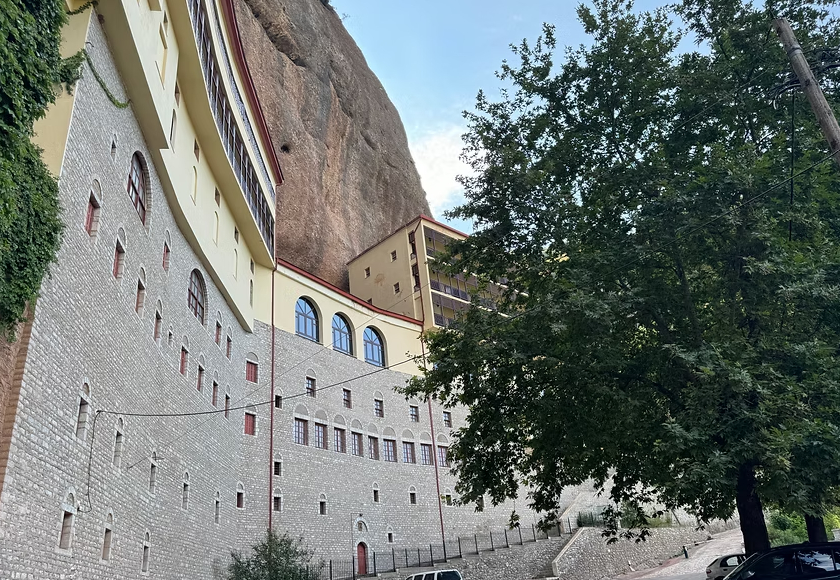
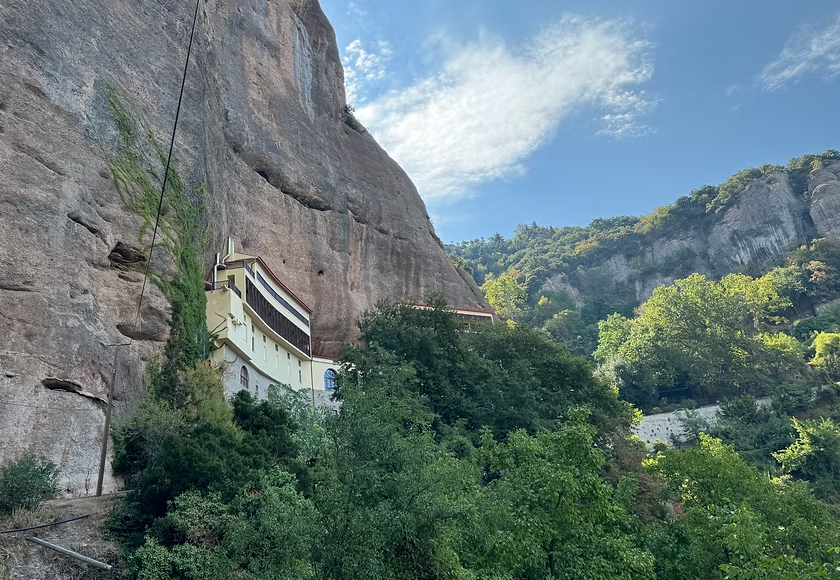
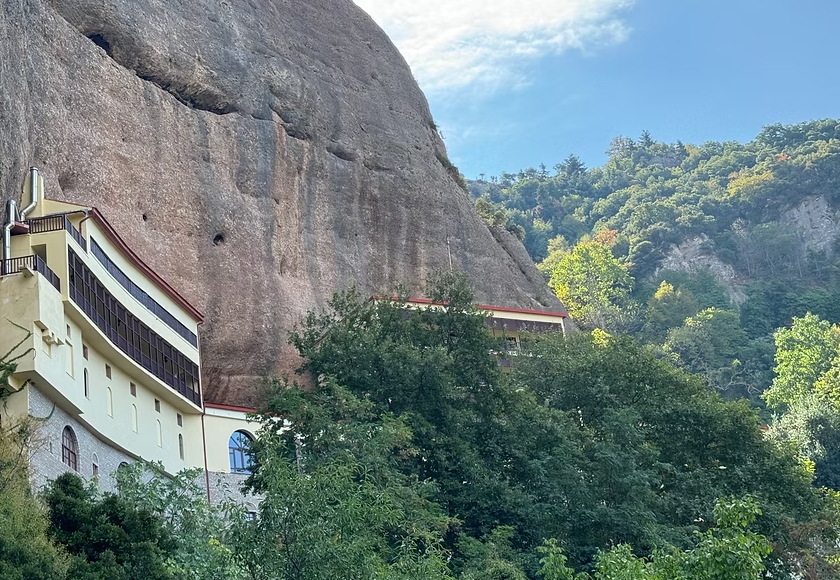
Dedicated to the Dormition of the Virgin Mary, the Monastery of Mega Spilaio is considered one of the most impressive monasteries in the entire country.
Founded in 362 AD by brothers and monks Symeon and Theodore, originally from Thessaloniki, it is regarded as the second oldest Christian monastery after the Monastery of Sinai and is located just 10 km from Kalavryta.
Both its size (eight stories tall) and its location make it spectacular. It is carved into the face of a towering and steep cliff, nestled in the hollow of a natural cave on Mount Chelmos, from which it gets its name.
According to tradition, it was here that the local shepherdess Euphrosyne discovered the sacred icon of the Virgin Mary, said to have been painted by the Evangelist Luke.
Tips
- The Monastery organizes a service and festival on August 15th, September 14th, and October 18th, with an all-night vigil taking place.
- Operating Hours: Daily from 08:00 AM until sunset, except from 13:00 to 14:00
- Contact Phone: +30 26920 23130
Despite the fact that the Monastery has burned down four times and was looted by the Germans in 1943, the Holy Icon of the Virgin Mary of Mega Spilaio has always been miraculously preserved, along with other significant relics such as traditional national costumes, imperial decrees, manuscripts, precious golden crosses containing holy wood, copper engravings, portraits, and more, all of which are kept here.
Among the monastery’s outstanding attractions is also the “Trypio Lithari” (“Pierced Stone”)—a 10,000-liter barrel-shaped rock through which sunlight passes only twice a year, during the two equinoxes!
Holocaust Museum
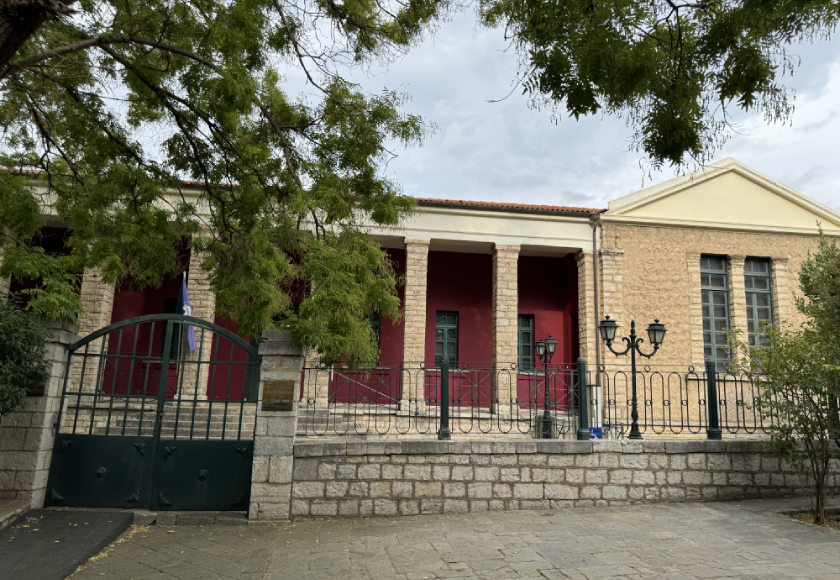
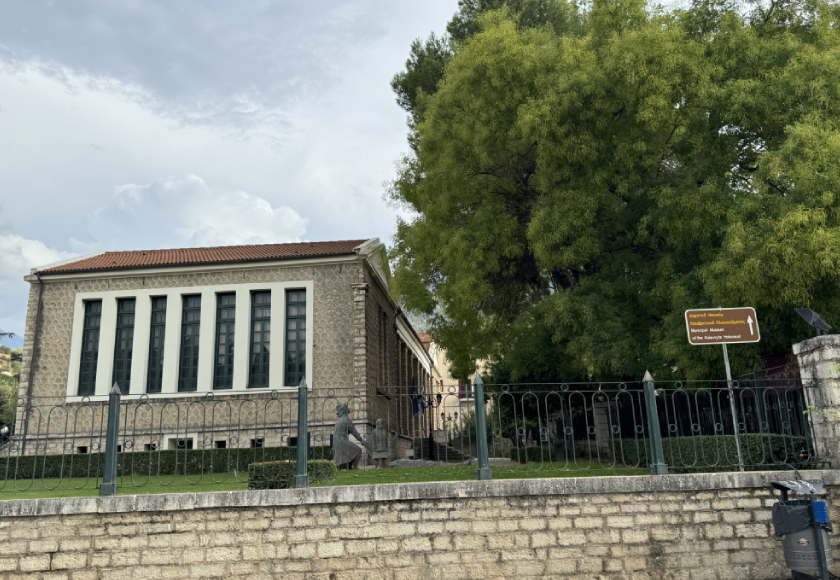
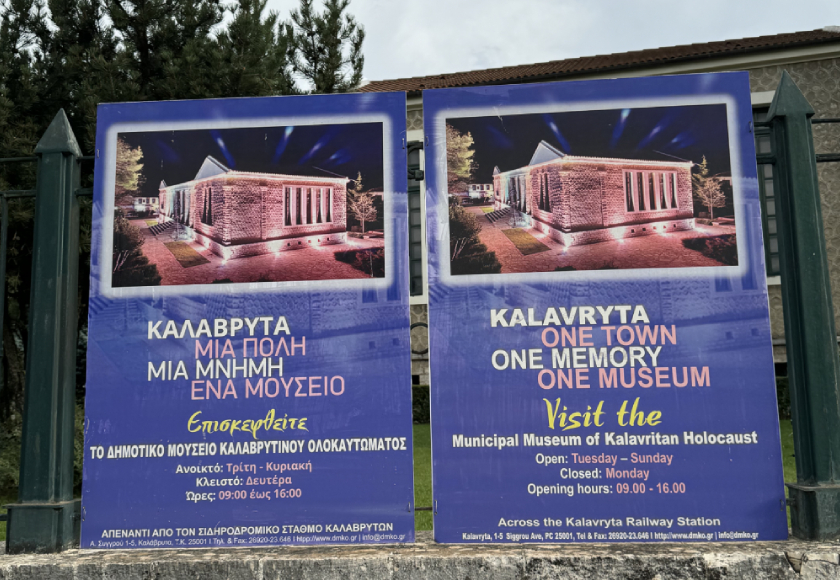
A moving and thoroughly informative historical journey is offered by the Holocaust Museum in Kalavrita, dedicated to the martyred past of the town and the harrowing memories of 1943.
The tragic events took place in December 1943, when German soldiers executed the young men and set fire to the women, children, and elderly after locking them inside the school building.
The Museum vividly depicts the painful events through numerous exhibits, documents, and works of art, immediately impacting visitors with the powerful statue of the Mourning Mother at the entrance.
The Museum has been operating since 2005 and is housed on the exact site of the old school, which was completely destroyed by fire and reconstructed in 1955 according to its original design.
It functioned again as a school until 1986, when it was declared a historic preserved monument by the Ministry of Culture.
Tips
- Opening Hours: Tuesday to Sunday from 09:00 to 16:00, with a General Admission fee of €5.00
- Contact Numbers: +30 26920 23646, +30 26923 60220
- You can take a virtual tour of the Museum’s exhibition spaces, as well as monuments of the martyred town of Kalavryta and the surrounding area, through an app available here
Monastery of Agia Lavra
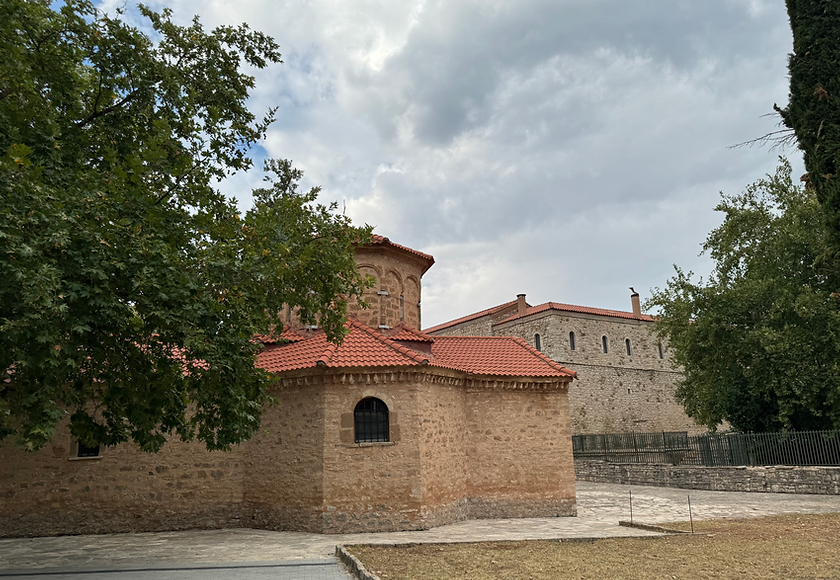
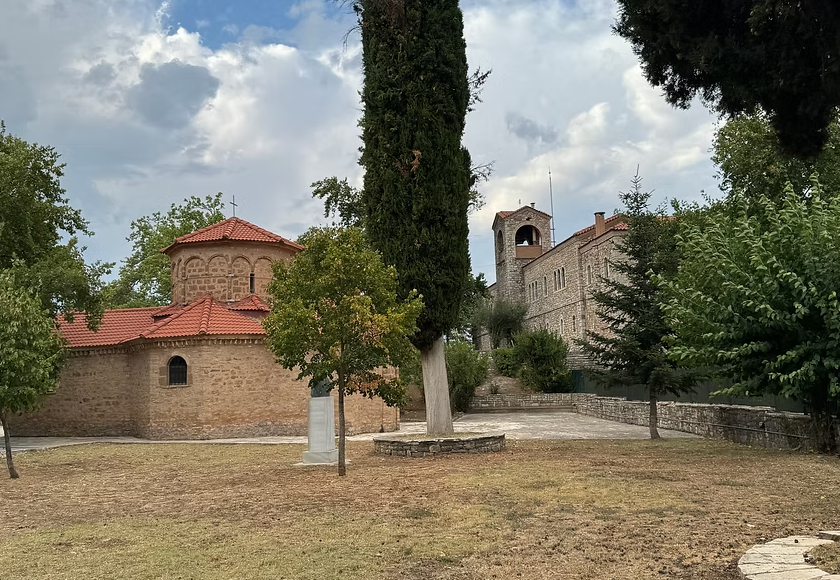
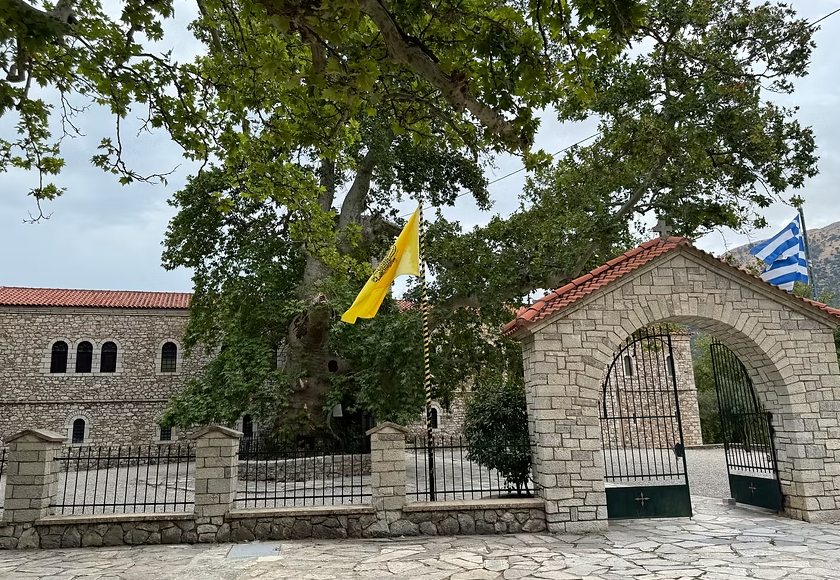
The impressive architectural structure of the Monastery of Agia Lavra is located near Kalavrita.
Its appearance reflects the crucial role it played in the country’s history, as it was here that the Greek nation began to take shape, with the first blessing ceremony held before the start of the 1821 Revolution on March 25th.
Since then, this moment is honored with a major celebration at the Monastery. Closely linked with key figures of the Liberation Struggle, such as Ypsilantis, Germanos of Old Patras, and others, it is a stop not to be missed.
Tips
- The Monastery celebrates on the 15th of August in memory of the Dormition of the Theotokos.
- The Monastery is also accessible by the famous Odontotos railway.
- Opening Hours: Winter: 10:00-13:00 and 15:00-16:00, and Summer: 10:00-13:00 and 16:00-17:00
In addition to the above, the location of the Monastery is worth noting, as it dominates a stunning landscape with unique geological features.
In the Monastery's museum, Venetian and Turkish documents are preserved, as well as those from the Patriarchate of Constantinople, dating back as far as the 1600s. The library also holds valuable collections.
Besides the relics of saints and religious artifacts, the historic banner from the War of Independence is also preserved.
- We handle bookings for personalized tours at a small cost and offer special prices for accommodation, meals, and entertainment. Additionally, we provide organized day trips, such as the "Helmos Circle," for up to 12 people.
Contact us for more details!
- For any changes to information (contact numbers, opening hours, etc.) related to our partners, if they have not informed us in advance, Lake2lake is NOT responsible.